Small businesses face their own affordability crunch because of tariffs and health insurance costs

Small business owners across the United States are grappling with their own affordability crisis, facing challenges from higher tariffs, health insurance costs, and energy expenses. Shirley Modlin, the owner of 3D Design and Manufacturing in Powhatan, Virginia, expressed her struggles in offering raises and health insurance for her 10 employees due to rising operational costs. Uncertainty surrounding U.S. tariff rates adds to the difficulty of forecasting costs for Modlin, making it challenging for her to plan for the future.
The current average effective tariff rate for U.S. importers stands at 16.8%, the highest level since the 1930s, according to the Yale Budget Lab. Small business importers have seen a significant increase in costs due to the Trump administration’s tariffs, with an average of $25,000 more per month compared to the previous year.
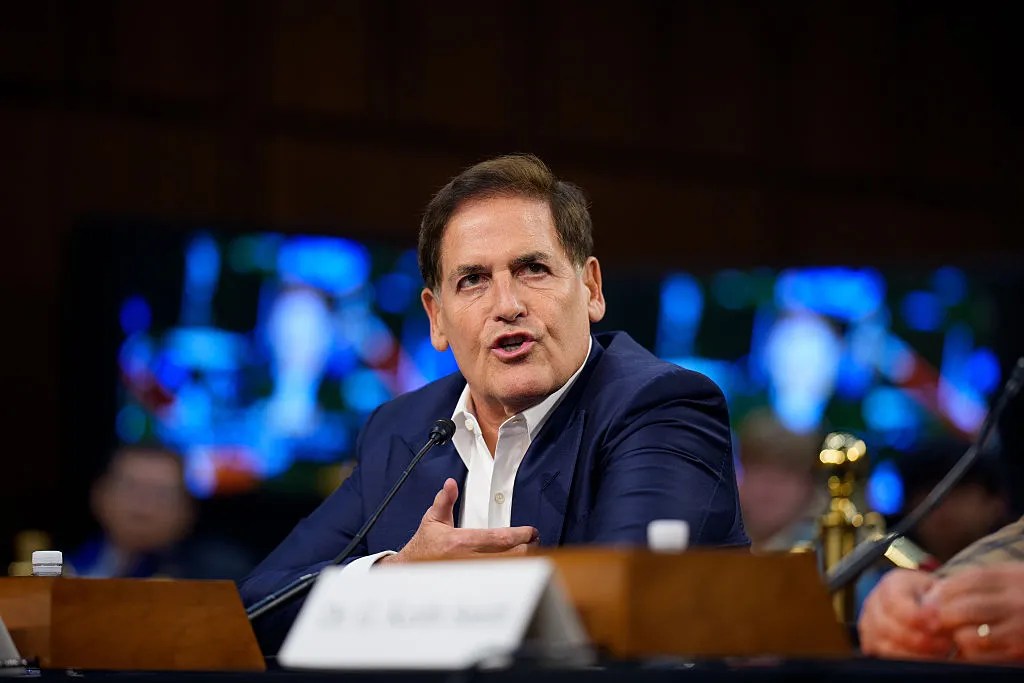
Senator Ed Markey highlighted the burden on small businesses, attributing it to Trump’s tariffs and the impact on affordable healthcare, electricity, and overall expenses. The Supreme Court is expected to rule on the legality of these tariffs, with potential implications for small businesses.
A spokesperson for the Republican members of the Senate Committee on Small Business and Entrepreneurship shifted blame to Democrats, citing historic affordability challenges created during their control of Washington. However, the spokesperson also mentioned recent efforts by Republicans to address these issues through tax cuts and regulatory rollbacks.
The looming expiration of enhanced tax credits for health insurance under the Affordable Care Act adds to the concerns of small business owners. Modlin, in particular, is faced with the dilemma of increasing monthly stipends for health plan costs or offering raises to employees. The potential rise in premiums for millions of Americans poses a significant threat to small businesses and their employees.
Julie Robbins, CEO of Earthquaker Devices in Ohio, highlighted the impact of higher U.S. tariffs on the company’s costs, which have surged by 30% this year. The company plans to raise prices in response to these challenges, a move that could affect customer demand.
Overall, small businesses are feeling the squeeze from rising operational expenses, tariffs, and healthcare costs. The need to balance these financial pressures while maintaining competitiveness in the market poses a significant challenge for business owners like Modlin and Robbins. As they navigate these obstacles, the impact on employees, customers, and the overall economy remains a key concern.