SNAP benefit cut-off dangerous for people with chronic illness
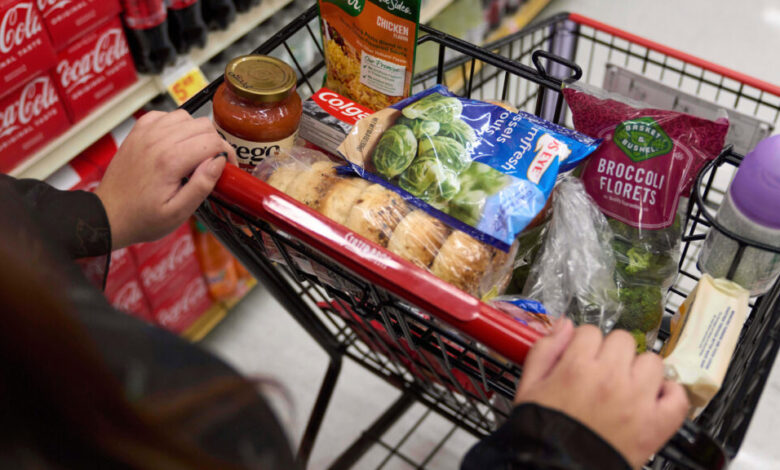
Millions of Americans are facing the harsh reality of losing access to food benefits as the government shutdown continues. At least 25 states have informed recipients that they will not receive checks for the Supplemental Nutrition Assistance Program (SNAP) in November. This loss of benefits could have devastating consequences, forcing families to go hungry or make impossible choices between groceries, rent, and medication.
Health experts warn that even short gaps in nutrition can have serious implications, especially for those with diet-sensitive chronic diseases like diabetes, hypertension, and chronic kidney disease. SNAP plays a crucial role in helping individuals manage these conditions by providing access to nutritious foods. Without these funds, people may resort to skipping meals or opting for cheaper, less nutritious options, leading to immediate health impacts.
Research also indicates that older Americans who receive SNAP are less likely to skip medications, as the benefits help cover essential healthcare costs. The sudden halt in SNAP benefits could result in individuals skipping medications, facing eviction, or having utilities shut off, creating a compounding effect on their health and well-being.
The Department of Agriculture, which administers SNAP, has stated that it will not tap into emergency funds to cover next month’s benefits, citing the need to reserve these funds for natural disasters. The blame game between Democrats and Republicans continues, with Senate Democrats advocating for preserving Affordable Care Act subsidies while Republicans accuse them of prioritizing other issues over critical nutrition assistance.
In the absence of SNAP benefits, many Americans may turn to food banks for assistance. However, these resources are already stretched thin due to earlier federal funding cuts. SNAP is seen as a vital safety net, and its absence leaves many individuals with limited options for accessing nutritious food.
The impact of food insecurity goes beyond physical health, affecting mental well-being as well. Research shows that food insecurity is associated with higher rates of depression, anxiety, and stress, particularly among parents and children. The inability to consistently access food can be an overwhelming and stressful experience, further exacerbated when caring for children.
As the government shutdown persists and SNAP benefits remain uncertain, the disconnect between policies like Make America Healthy Again (MAHA) and the reality of food insecurity becomes glaring. While MAHA aims to improve Americans’ diets and lower rates of chronic disease, the current situation highlights the challenges faced by those who rely on programs like SNAP for their basic needs.
It is clear that the focus needs to shift towards addressing the immediate needs of individuals who depend on programs like SNAP for their survival. As health experts emphasize the critical role of nutrition in overall well-being, it is essential to prioritize access to healthy food for all Americans, especially during times of crisis.