SOC teams face 51-second breach reality—Manual response times are officially dead
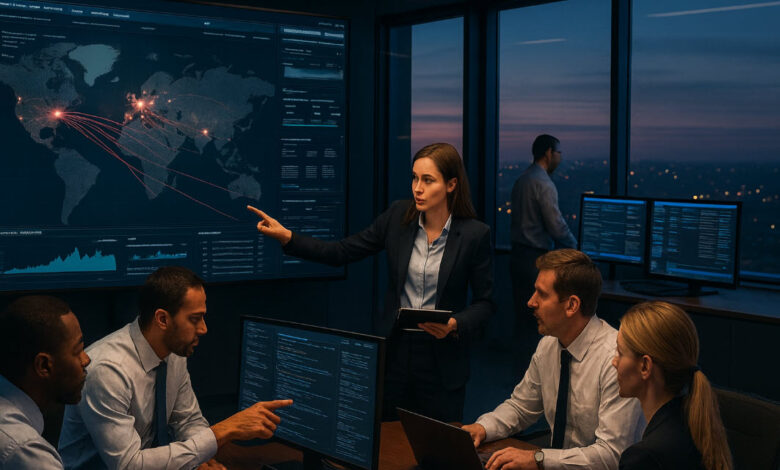
The landscape of cybersecurity is evolving rapidly, with attackers using adversarial AI attacks at machine speed to breach networks and move laterally within just 51 seconds. This pace surpasses the ability of traditional SOC analysts to respond effectively, leading to a new era of agentic AI cyberdefense.
As organizations grapple with the increasing sophistication of cyber threats, security leaders are turning to automated responses powered by agentic AI to match the speed and scale of these attacks. According to Gartner’s 2025 Hype Cycle for Security Operations, organizations are looking to enhance their existing security tools with AI to better handle the expanding threat landscape.
A recent note by William Blair & Company on CrowdStrike predicts that agentic AI presents a significant opportunity for organizations to secure their assets more effectively. The total addressable market (TAM) for agentic AI is projected to grow from $140 billion in 2025 to $300 billion by 2030.
However, for agentic AI to realize its full potential, strong governance is essential. CrowdStrike CEO George Kurtz emphasized the importance of putting guardrails in place to govern AI agents effectively. This sentiment is echoed by SOC leaders and CISOs who are experimenting with different architectures to address the governance challenges associated with agentic AI.
Shlomo Kramer, CEO of Cato Networks, highlighted the importance of a robust architecture in leveraging AI effectively. He emphasized that good AI starts with good data, and Cato Networks processes petabytes of data weekly to drive its AI engines for threat hunting, anomaly detection, and network degradation detection.
To safeguard SOCs at scale and ensure strong governance, ten key agentic AI technologies are critical:
1. Charlotte AI AgentWorks: Autonomous SOC orchestrator trained on 14 years of threat telemetry.
2. Threat AI Agents: Autonomous agents for threat detection and response.
3. Pangea Agent Protection: Runtime protection for AI agents.
4. Falcon for IT: Intelligence-driven vulnerability prioritization.
5. Onum Streaming Telemetry: Real-time intelligence pipeline.
6. Unified Enterprise Graph: Contextual intelligence at memory speed.
7. Malware Analysis Agent: Automated malware reverse engineering.
8. Agentic Fusion SOAR: Intent-driven security orchestration.
9. Hunt Agent: Proactive threat hunting at machine scale.
10. Governance by Design: Transparent autonomous operations.
These technologies, when implemented effectively, can help organizations defend against adversarial AI attacks and ensure strong governance to scale their cybersecurity operations. Collaboration among industry players, unified architectures, and embedded governance will be key to success in the evolving landscape of agentic AI cybersecurity.