Social norm messaging may be less effective for change than expected
Social norms messaging has long been utilized in health communication to promote beneficial health behaviors. The idea is that individuals will adjust their behavior to match what they perceive as the norm within their social group. This approach has been seen as a cost-effective and relatively easy way to encourage health-promoting actions among the public.
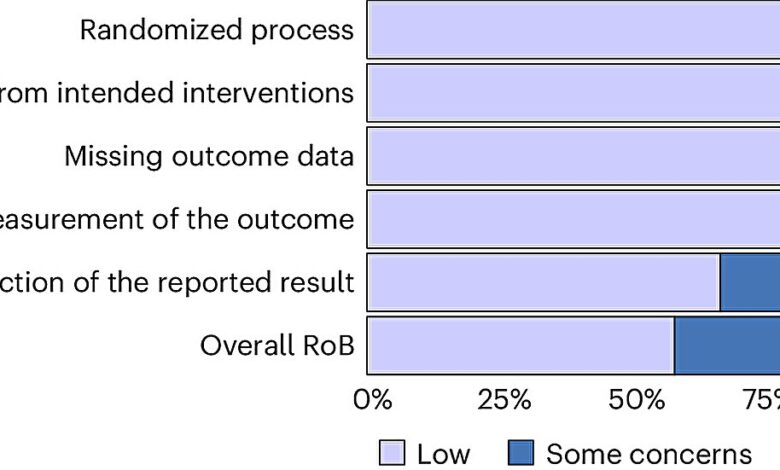
However, a recent meta-analysis published in the journal Nature Human Behaviour has shed new light on the effectiveness of social norms messaging in health campaigns. The analysis, conducted by a group of behavioral scientists from the UK and the University of Innsbruck, reviewed 89 studies that investigated the impact of communicating social norms to promote health behaviors in developed countries. Surprisingly, the analysis found no statistically significant effect of social norms messaging on improving health behaviors.
Co-author Sarah Flecke, formerly of the University of Innsbruck and now based at University College London, highlighted several reasons for this unexpected finding. One key factor was the presence of publication bias, where studies with null results are less likely to be published. To address this, the research team actively sought out unpublished studies to ensure a more comprehensive analysis.
The analysis also revealed a lack of consistency across studies in terms of target behaviors, populations, and intervention delivery methods. Only a small number of studies assessed whether there was a discrepancy between participants’ perceptions of social norms and the actual norms, suggesting that other factors may be at play in influencing behavior change.
Despite the overall findings, Flecke emphasized that this does not discount the potential of social norms messaging as a communication strategy. While the meta-analysis did not find a significant effect on health behaviors, there were still instances where social norms interventions were successful. This suggests that further research is needed to explore the underlying mechanisms that determine the effectiveness of social norms messaging in health campaigns.
Moving forward, it will be crucial for policymakers and health communicators to approach social norms interventions with caution and realistic expectations. By addressing the limitations identified in the analyzed studies, future research can uncover new insights into how social norms messaging can be effectively utilized to promote positive health behaviors.
The study, titled “A systematic review and meta-analysis of the effectiveness of social norms messaging approaches for improving health behaviors in developed countries,” was published in Nature Human Behaviour in 2025. More information on the study can be found at the DOI: 10.1038/s41562-025-02275-6. The research was conducted by a team from the University of Innsbruck.