Social Security COLA for 2026: Payments Will Increase 2.8%
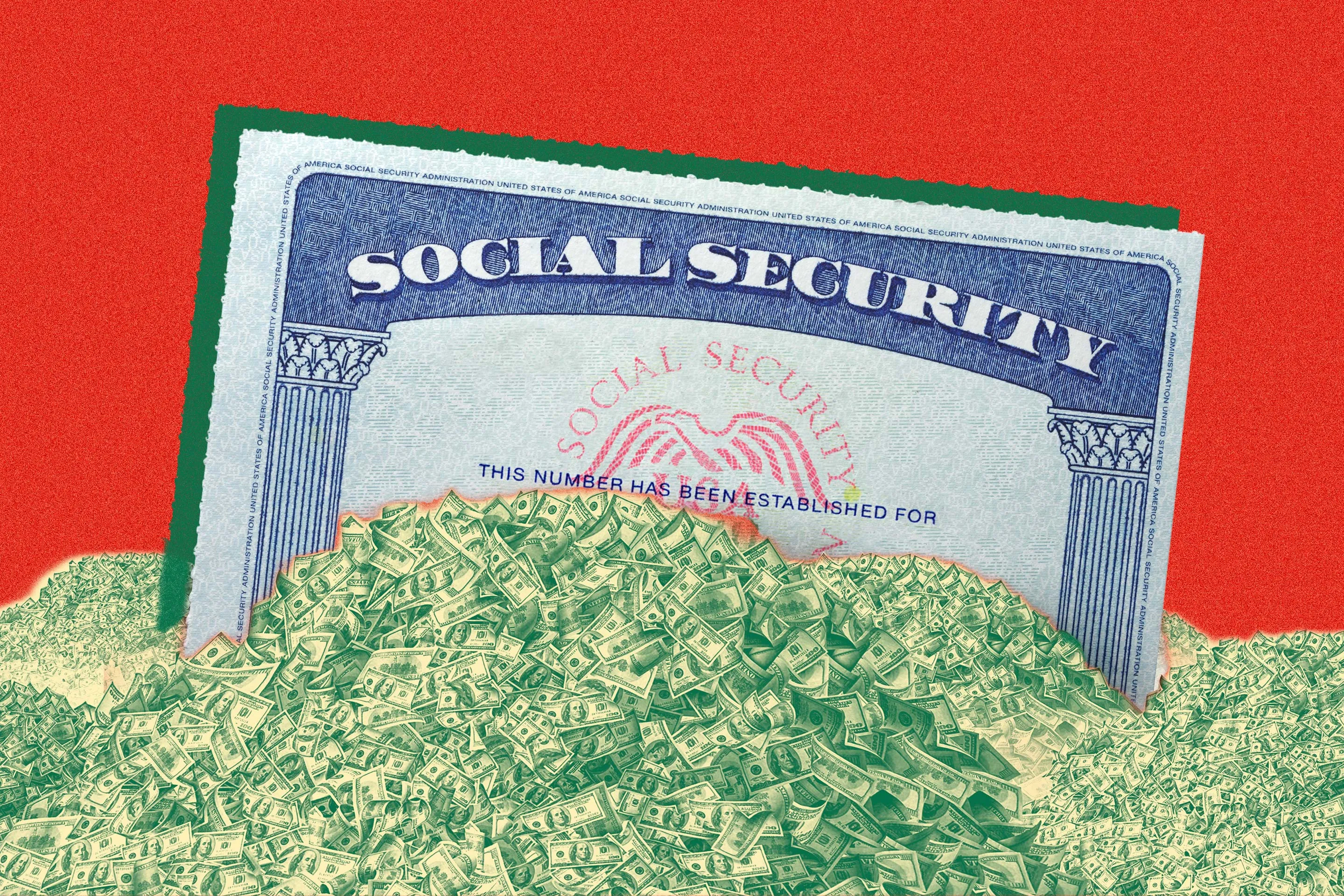
Social Security beneficiaries are set to receive a 2.8% increase in their monthly payments for 2026, according to the Social Security Administration. This adjustment, known as the cost-of-living adjustment (COLA), is aimed at helping recipients keep pace with rising prices. The announcement of the 2026 COLA comes as a relief to the more than 72 million Americans who rely on these benefits, as they can expect an average increase of $56 per month.
Commissioner Frank Bisignano emphasized the importance of these adjustments, stating that Social Security is a promise kept and that the annual COLA is a vital tool in ensuring that benefits remain aligned with current economic realities. The increase will apply to all Social Security programs, including retirement benefits, disability insurance, and Supplemental Security Income (SSI) for those with limited resources and income.
While the 2.8% COLA for 2026 is slightly higher than the 2.5% adjustment for 2025, concerns have been raised about the accuracy of the government’s methodology for calculating these adjustments. Advocacy groups argue that the current formula may not accurately reflect real inflation, leading to a gradual erosion of purchasing power over time for beneficiaries.
Key details about the 2026 Social Security COLA include:
– The average retirement payment will increase by $56, bringing the typical monthly payment for retired workers to $2,071 in January.
– The 2026 COLA will take effect on payments distributed on and after December 31.
– The calculation of the COLA is based on inflation data from the third quarter, using the consumer price index for urban wage earners and clerical workers (CPI-W).
– The announcement of the 2026 COLA was delayed due to the government shutdown, which disrupted the completion of the CPI report necessary for the calculation.
Looking ahead, advocacy groups continue to push for reforms in the Social Security system, including adjustments based on a different inflation index for the elderly (CPI-E) to better reflect the rising costs faced by older Americans. While recent policy changes, such as a new tax deduction for seniors, have been introduced, there is ongoing debate about the adequacy of these measures in addressing the needs of Social Security beneficiaries.
As beneficiaries await the 2026 COLA, concerns remain about the potential impact of evolving trade policies and inflation trends on the purchasing power of these benefits. The timing of the announcement, capturing only the initial effects of tariffs, raises questions about the adequacy of the adjustment in light of possible future developments.
In conclusion, the 2026 Social Security COLA offers a modest increase in benefits for millions of Americans, but ongoing challenges and debates persist regarding the effectiveness of these adjustments in meeting the needs of beneficiaries. As the new year approaches, recipients will need to monitor how economic trends and policy changes may impact their financial security.