Some Louisiana residents bristle at rising energy costs and unwelcome construction for massive Meta AI data center
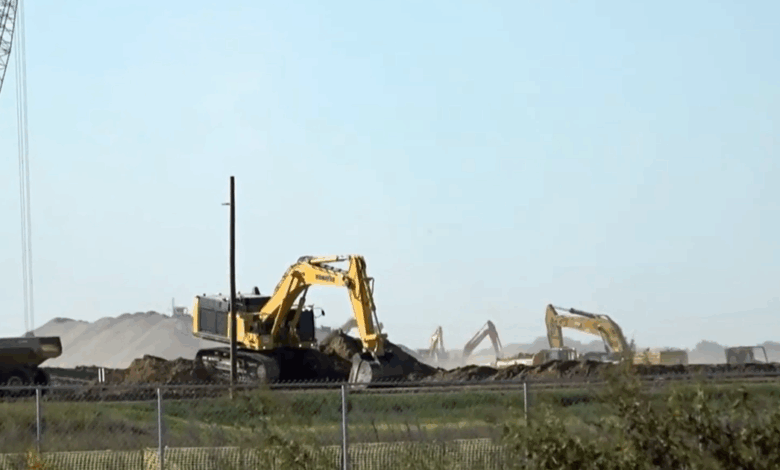
Lisa Hopkins and her family have been facing disturbances in their quiet neighborhood in Louisiana’s Richland Parish ever since Meta, the parent company of Facebook and Instagram, started constructing its largest artificial intelligence data center across the street. The noise from the construction site has become a constant presence, making it difficult for the family to find peace during the day.
The $10 billion project was approved by Louisiana in August, with promises of economic growth. However, concerns have been raised about the impact it will have on the community. Experts warn that the power demands of the data center could lead to higher utility bills for customers statewide. Entergy, the state’s main utility company, has agreed to pay for a $550 million transmission line to the center, a cost that is likely to be passed on to the 1.1 million customers under Entergy Louisiana’s umbrella.
The increased energy demand from the data center could also result in higher gas prices in Louisiana. The center is expected to consume three times the amount of electricity that the entire city of New Orleans uses in a year. As a result, residents like the Hopkins family have already seen an increase in their power bills.
This situation is not unique to Louisiana, as communities in at least 13 states have experienced higher utility bills due to new data centers. Energy analysts emphasize the need for state regulators to intervene and ensure that tech companies and utility companies are paying their fair share for such developments.
Meta’s head of community development in North America, Katie Comer, has stated that they are working with Entergy to minimize the impact on customers. Meta has invested in a bill pay assistance program for low-income families and is also contributing to local infrastructure projects and school programs.
Despite these efforts, some residents, like Donna Collins, remain skeptical. Collins, a lifelong resident of the region, feels that outreach for local input from the state and Meta has been lacking. She, along with other residents, believes that they have not had a say in the matter.
As construction continues and the data center nears completion, the community remains divided on the benefits and drawbacks of Meta’s presence. While some hope for lower power bills and long-term development opportunities, others remain wary of the disruptions to their way of life. The ongoing debate highlights the challenges of balancing economic growth with the well-being of local communities.