Some SNAP recipients say they have to choose between rent and food amid halt in benefits
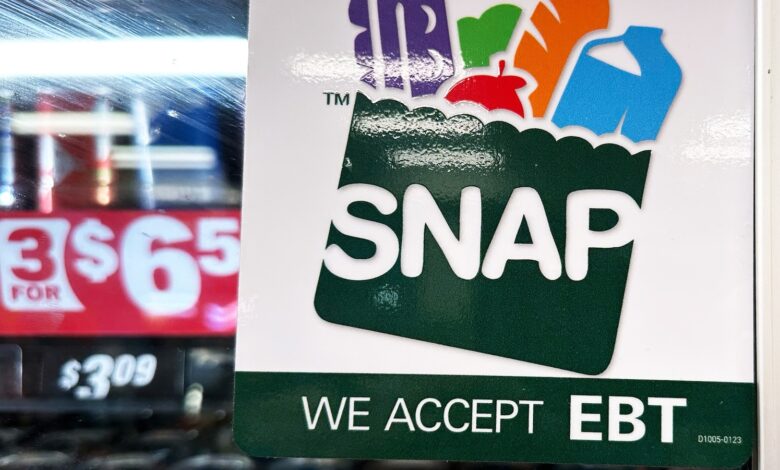
Martina Santos, a 67-year-old from the Bronx, New York, is one of the millions of Americans who are feeling the impact of the lapse in Supplemental Nutrition Assistance Program (SNAP) benefits. With nearly 42 million Americans affected by this halt in benefits, Santos shared that she feels like she’s living a nightmare.
The U.S. Department of Agriculture announced that they would partially fund the program using emergency funds, but officials cautioned that it could take anywhere from a few weeks to several months for benefits to resume. President Donald Trump also stated that no benefits would be distributed until the government reopens, adding to the uncertainty surrounding when assistance will be available again.
For Santos, the uncertainty of when or if SNAP benefits will be funded is causing her immense stress. She shared her concerns about how she will pay rent, cover her bills, and buy food without the assistance she relies on. “I need to make a decision if I pay my rent, when I pay my electricity or I buy food. It’s not easy,” she told ABC News.
As a volunteer at the nonprofit West Side Campaign Against Hunger, Santos is feeling the impact firsthand. She mentioned that she is considering asking her landlord if it’s possible to make a partial payment for the month of November due to the loss of SNAP benefits. Additionally, she shared that she will be visiting a pantry this week because her household supplies are running low, with only packets of beans, cereal, and a gallon of milk purchased by her son.
Aside from food, Santos highlighted the additional challenge of affording distilled water for her CPAP machine, which is vital for treating her sleep apnea and high blood pressure. Without access to her SNAP benefits, she expressed concern about her health and well-being, stating, “When I don’t use the machine, by the next day, I [wake] up tired, I don’t want to do anything, because I don’t sleep [well]. I want to wake up. How can I get out of this nightmare right now?”
Another individual impacted by the loss of SNAP benefits is Nicole, a 42-year-old from Long Island, New York. Having left a domestic violence situation in 2024, she began receiving SNAP benefits to help support herself and her three children, ages 12, 13, and 17. With approximately $994 in benefits per month, Nicole shared that buying groceries for her family is already a challenge, especially with rising food costs.
Despite receiving cash assistance and help from family members, Nicole expressed the difficulty of budgeting and stretching her resources without SNAP benefits. She mentioned checking her mobile app regularly to see if her EBT card balance has been updated, holding onto hope that benefits will be reinstated soon. Reflecting on the situation, she acknowledged the support she receives but also recognized the struggles of those without a safety net.
Nicole’s experience resonates with many domestic violence survivors, as highlighted by Nicole Branca, CEO of New Destiny Housing, a nonprofit that provides housing to survivors and their children. Branca shared that 70% of the survivors they serve rely on SNAP benefits, making the loss of assistance particularly challenging for this vulnerable population.
She emphasized that the economic abuse experienced by domestic violence survivors exacerbates the impact of losing SNAP benefits, compounding the physical and mental health struggles they already face. As survivors navigate this difficult period, Branca hopes that it will serve as motivation for them to eventually become independent of SNAP benefits.
As Santos, Nicole, and countless others grapple with the uncertainty and challenges brought about by the halt in SNAP benefits, the need for swift resolution and support for those affected is critical. The impact of this situation extends beyond financial concerns, affecting the health and well-being of individuals and families who rely on this essential assistance.
Financial abuse is a pervasive issue for survivors of domestic violence, with nearly 100% of survivors experiencing some form of financial manipulation by their abuser. This form of abuse often involves restricting access to bank accounts, ruining credit scores, and withholding access to paychecks. As a result, survivors are left in a vulnerable position, struggling to rebuild their financial stability from scratch.
Elayne Masters, a survivor of domestic violence from Pittsburgh, Pennsylvania, knows firsthand the challenges of navigating financial abuse. After suffering a traumatic brain injury and battling illnesses like hypothyroidism and Lyme disease, Elayne relies on SNAP benefits to afford nutritious food that supports her health. However, with her benefits at risk of lapsing, Elayne is facing uncertainty about how she will afford essential bills like electricity, car insurance, and house insurance in the coming months.
As winter approaches, Elayne is also concerned about the increased cost of heating bills and the financial strain of holiday expenses. To make ends meet in the past, Elayne has resorted to creative strategies like salvaging food past its expiration date and finding ways to stretch her limited budget. Despite her resourcefulness, the looming threat of financial instability weighs heavily on Elayne as she navigates the challenges of rebuilding her life after domestic violence.
For survivors like Elayne, access to resources and support is crucial in overcoming the lasting effects of financial abuse. Organizations like the Greater Pittsburgh Community Food Bank play a vital role in providing assistance to individuals facing food insecurity and financial hardship. By offering services like food pantries and financial education, these organizations help survivors take the first steps towards financial independence and stability.
Financial abuse is a hidden but devastating aspect of domestic violence, with far-reaching effects on survivors’ ability to rebuild their lives. By raising awareness of this issue and providing support to those who have experienced financial manipulation, we can help survivors like Elayne regain control of their finances and build a brighter future for themselves and their families.
Skating Through a Month: The Challenges of Sustaining Success
When it comes to managing our time and responsibilities, many of us are able to skate through a month with relative ease. We may have a good handle on our tasks and obligations, and everything seems to fall into place without too much effort. However, as time goes on, staying on top of everything becomes increasingly difficult.
One of the key challenges that arises when trying to sustain success over a longer period of time is the issue of burnout. When we are constantly pushing ourselves to meet deadlines and accomplish goals, it can be easy to become overwhelmed and exhausted. This can lead to a decrease in productivity and creativity, making it even harder to maintain our success.
Another factor that can make it difficult to sustain success is the issue of complacency. When we have been able to skate through a month without too much trouble, it can be tempting to become comfortable and stop pushing ourselves to achieve more. This can lead to stagnation and a lack of growth, ultimately hindering our ability to continue being successful in the long run.
Ultimately, while it may be possible to skate through a month with relative ease, sustaining success over a longer period of time requires dedication, perseverance, and a willingness to continually challenge ourselves. By recognizing the potential pitfalls that can arise and actively working to overcome them, we can set ourselves up for continued success and growth in the future.