Some states expand ACA subsidies as federal tax credits lapse
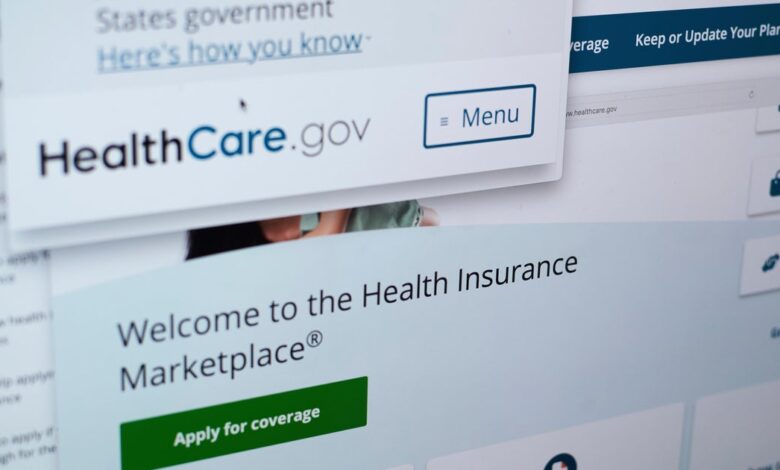
In response to the lapse in federal funding for Affordable Care Act (ACA) plans, six states are taking action to offset the cost for millions of Americans facing higher premiums. California, Colorado, Connecticut, Maryland, Massachusetts, and New Mexico have all increased their state-funded ACA subsidies for 2026 following the expiration of federal tax credits at the end of last year. These states have modified or enhanced their programs to address the reduction in federal premium subsidies.
According to health policy analyst Louise Norris, a total of 10 states across the nation offer subsidies in addition to federal ACA tax credits. While Congress continues to debate the fate of federal ACA tax credits, some ACA enrollees have experienced spikes in premium prices. Open enrollment for Obamacare ended in most states on January 15th.
Nonprofit health group KFF reports that states, particularly those operating State-Based Marketplaces (SBMs), have been preparing for the expiration of ACA tax credits. New Mexico, for example, has decided to fully offset the loss of federal tax credits for all residents, including recent immigrants. As a result, New Mexico saw a 17% increase in enrollment for 2026 compared to the previous year.
Nationwide enrollment in ACA coverage has declined sharply in recent months, according to data from the Centers for Medicare and Medicaid Services. States like California and Colorado are offering targeted assistance to ACA enrollees based on household income. California is making up for the loss of premium tax credits for enrollees earning up to 150% of the federal poverty level, while Colorado is providing an $80 subsidy to participants with income up to 400% of the federal poverty level.
States that provide their own subsidies to ACA enrollees must operate their own exchange separate from HealthCare.gov, the federal enrollment portal. Currently, 20 states have their own exchanges, mostly in Democratic-controlled states. States without their own exchanges can still offer ACA subsidies using alternative mechanisms.
In response to concerns over rising healthcare costs, the Trump administration unveiled the “Great Healthcare Plan,” which involves sending money directly to Americans to purchase their own healthcare. President Trump stated that this plan would benefit the people of the country while reducing the influence of big insurance companies.
As states continue to take action to support ACA enrollees, it is essential to monitor developments in healthcare policy to ensure access to affordable coverage for all Americans.