Some states set to impose SNAP bans on soda, candy and other foods
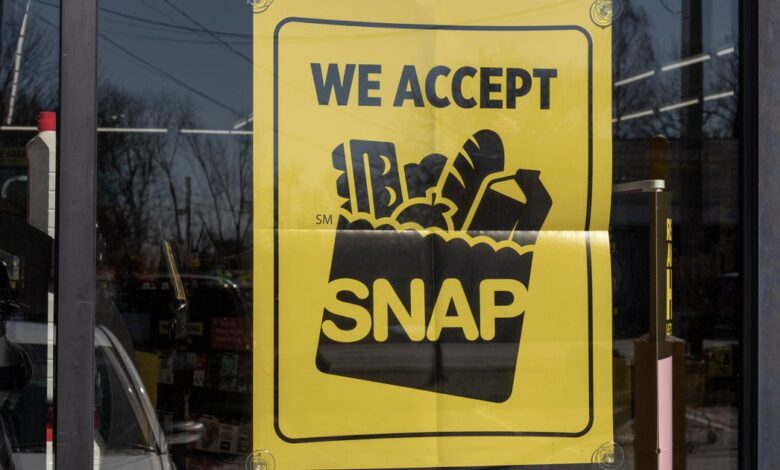
In a groundbreaking move, several states across the U.S. are set to implement new restrictions on what food-stamp recipients can purchase with their government nutrition assistance starting on New Year’s Day. Indiana, Iowa, Nebraska, Utah, and West Virginia are leading the charge by enacting waivers that will prohibit SNAP recipients from buying items such as candy, soda, and other unhealthy foods. This initiative comes as Health Secretary Robert F. Kennedy Jr. and Agriculture Secretary Brooke Rollins aim to address the chronic diseases like obesity and diabetes that are linked to the consumption of sugary drinks and treats.
The decision to restrict certain food purchases through SNAP has sparked concerns among retail industry and health policy experts. Many believe that state SNAP programs, already facing budget cuts, are ill-prepared for the complex changes ahead. With no comprehensive lists of restricted foods available and varying technical challenges at point-of-sale terminals, confusion is expected to arise for both recipients and retailers. Additionally, the effectiveness of limiting SNAP purchases in improving diet quality and overall health remains a topic of debate among experts.
The National Retail Federation has warned of potential issues such as longer checkout lines and customer complaints as SNAP recipients navigate the new restrictions. This could lead to challenges for individuals who rely on SNAP benefits, especially considering the recent interruptions in food aid during the government shutdown and the economic downturn caused by the COVID-19 pandemic. Data shows that a significant percentage of SNAP participants are families with children or households with older adults and people with disabilities, highlighting the importance of ensuring access to nutritious food for vulnerable populations.
While the intention behind the SNAP restrictions is to promote healthier eating habits and reduce the prevalence of chronic diseases, concerns have been raised about the potential impact on retailers and the overall cost of implementing these changes. A report by the National Grocers Association estimates that U.S. retailers could face significant financial losses as a result of the new waivers, which could ultimately lead to higher prices for consumers.
The waivers represent a departure from longstanding federal policy surrounding SNAP benefits, which have traditionally allowed recipients to purchase any food intended for human consumption. Previous attempts to restrict SNAP purchases based on health considerations were met with challenges related to implementation and effectiveness. However, under the current administration, states have been encouraged to seek waivers and implement changes to the program.
As the new restrictions take effect in the five states on January 1st, approximately 1.4 million people will be impacted by the changes. The waivers vary by state, with some targeting specific items like soda and candy, while others include a broader range of taxable foods. Critics argue that the lack of clear guidance and information for SNAP recipients could lead to confusion and difficulties in navigating the new rules.
Moving forward, it will be crucial for states to assess the impact of these changes on SNAP recipients and their overall health outcomes. While the intention behind the waivers is to promote healthier eating habits, experts emphasize the need to address larger systemic issues related to food affordability and access to nutritious options. As the debate over SNAP restrictions continues, it is clear that finding a balance between promoting health and supporting vulnerable populations will be key in shaping the future of nutrition assistance programs in the U.S.