South Carolina community pushes for hate crime legislation after black man shot at while waiting to go to work
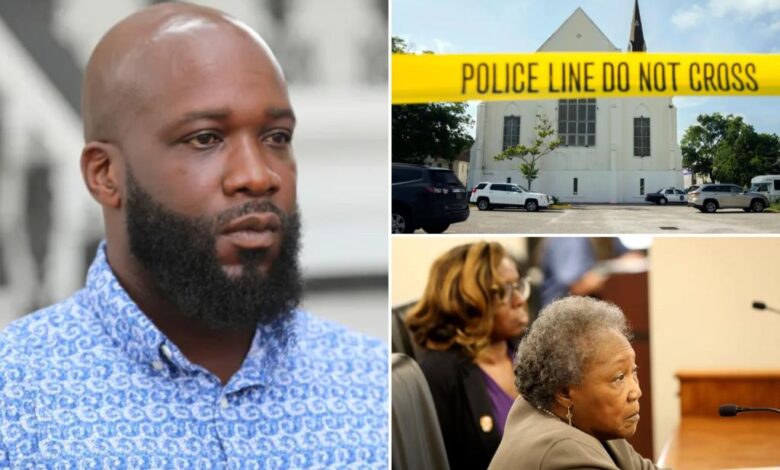
The state of South Carolina is currently facing a critical issue regarding hate crime laws, or rather, the lack thereof. Jarvis McKenzie, a Black man, recently shared his harrowing experience of being targeted in a hate crime incident. The man involved in the incident fired a rifle at McKenzie and hurled racial slurs at him, leaving McKenzie and his family in a state of fear and unease.
South Carolina is one of only two states, along with Wyoming, that do not have their own hate crime laws. In response to this, about two dozen local governments in South Carolina have passed their own hate crime ordinances. However, these local laws only result in misdemeanor charges with light penalties, such as a month in jail. The state legislature has been urged to pass a bill proposing harsher penalties for hate crimes, but efforts have been stalled for years.
The push for hate crime laws in South Carolina gained momentum after the tragic shooting at Emanuel AME Church in Charleston in 2015, where nine Black worshippers were killed. Despite widespread support from businesses, survivors, and some Republican lawmakers, the hate crime bill has failed to advance in the state Senate. Opposition to the bill is largely silent, with procedural delays preventing it from coming to a vote.
Supporters of a state hate crime law argue that the federal hate crimes law is not sufficient, as it has limitations in prosecuting cases involving juveniles and lacks local decision-making. Richland County Sheriff Leon Lott, a proponent of hate crime legislation, emphasizes the importance of enacting state laws to protect all individuals from crimes motivated by hate.
Governor Henry McMaster, however, believes that existing laws against assaults and violent crimes in South Carolina provide adequate punishment for hate-motivated offenses. He expresses concerns about the complexities of determining hate as a motive in criminal cases. Despite this, advocates for hate crime laws stress the need for specific protections for marginalized communities and the importance of sending a message that hate-driven crimes will not be tolerated.
As the debate over hate crime legislation continues in South Carolina, individuals like Jarvis McKenzie are left feeling vulnerable and unsupported by the state. McKenzie’s story serves as a reminder of the urgent need for stronger legal protections against hate crimes in the state.