South Carolina measles outbreak surpasses Texas’ 2025 total
The recent measles outbreak in South Carolina has now exceeded the number of cases reported during Texas’ 2025 outbreak, with nearly 600 new cases identified in just over a month. Health officials in northwestern Spartanburg County have reported a total of 789 confirmed cases since September, indicating a concerning trend of rapid spread. Last year, Texas recorded 762 cases, although experts believe the actual number may have been higher.
The situation is not isolated to South Carolina, as a significant outbreak on the Utah-Arizona border is also ongoing, putting the United States’ measles elimination status at risk. As of Thursday, the U.S. Centers for Disease Control and Prevention had confirmed a total of 416 measles cases nationwide this year, representing almost 20% of the 2025 case count. Other states with confirmed cases in 2026 include California, Florida, Georgia, Idaho, Kentucky, Minnesota, North Carolina, Ohio, Oregon, Virginia, and Washington.
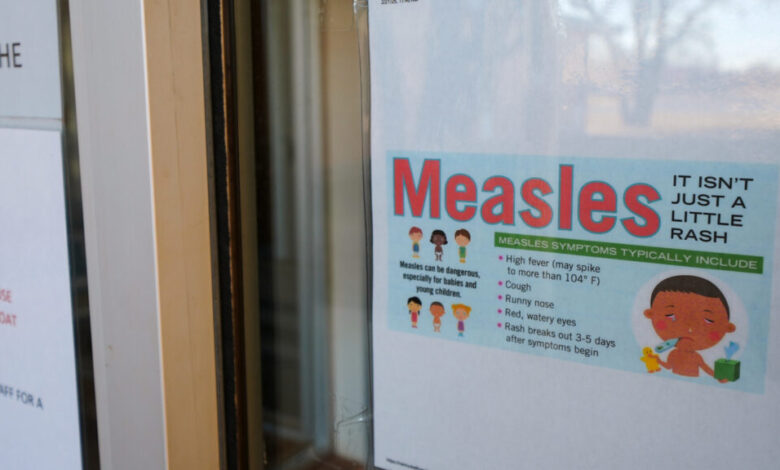
Measles is a highly contagious virus transmitted through the air when an infected person coughs, sneezes, or breathes. Vaccination is the most effective way to prevent the disease, as it can lead to severe complications such as pneumonia, blindness, brain swelling, and even death.
The current outbreak in South Carolina has led to 789 cases, with 89 new cases reported just since Friday. Schools in the affected areas have seen numerous children quarantined due to measles exposures, with some schools experiencing multiple exposures. The outbreak has also spread to neighboring states like North Carolina and Ohio.
In Utah and Arizona, health officials are still grappling with an outbreak in the Short Creek area, encompassing the border towns of Hildale, Utah, and Colorado City, Arizona. Arizona has reported 222 cases in Mohave County, with additional cases detected in Maricopa, Pima, and Pinal counties. Utah has confirmed 216 cases, with 55 of them reported in the past three weeks, though concerns about undercounts persist.
Vaccination remains the most effective means of preventing measles, with the measles, mumps, and rubella (MMR) vaccine recommended for children between 12 and 15 months old, followed by a second dose between 4 and 6 years old. Two doses of the vaccine provide 97% protection against measles, with immunity considered lifelong. Maintaining high vaccination rates above 95% helps create herd immunity, making it harder for measles to spread within communities.
However, vaccination rates have declined nationwide, with more parents seeking exemptions for their children based on religious or personal beliefs. As the measles outbreak continues to pose a significant public health challenge, prioritizing vaccination and preventive measures is crucial to curbing the spread of the disease.