Southwest Airlines’ upcoming policy for plus-sized passengers questioned
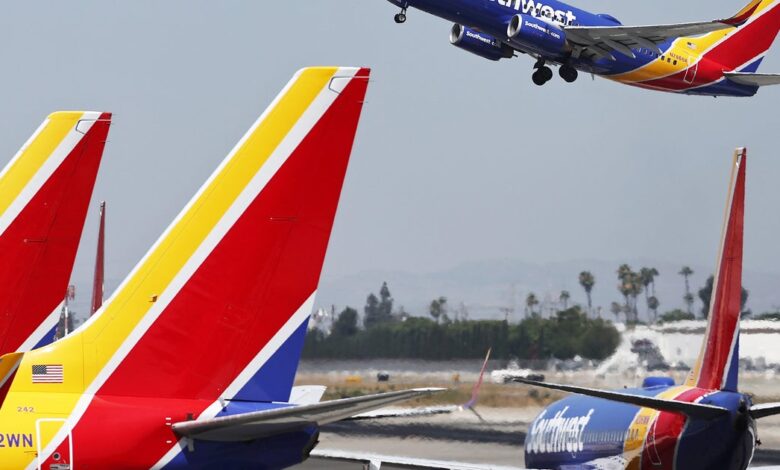
Southwest Airlines recently announced a significant change to its policy regarding passengers who do not fit within the armrests of their seat. Starting on January 27, travelers who require additional seating space will be required to purchase an extra seat in advance. This decision coincides with the airline’s introduction of assigned seating on the same day.
Previously, plus-size passengers had the option to either pay for an extra seat in advance, with the possibility of receiving a refund later, or request a free additional seat at the airport. However, under the new policy, while a refund is still a possibility, it is no longer guaranteed. Southwest explained that these updates to their policies are in preparation for the implementation of assigned seating next year.
This change is just the latest in a series of adjustments made by Southwest, a once-favorite among travelers for its open seating policy and free checked bags. Now, the airline will still offer a refund for the extra seat if the flight is not fully booked at the time of departure and both tickets were purchased in the same booking class. The refund must be requested within 90 days of the flight.
If a passenger who requires an extra seat does not purchase one in advance, they will be required to buy one at the airport. If the flight is at full capacity, the passenger will be rebooked onto a different flight. This new policy has faced criticism from travelers like Jason Vaughn, a travel agent who specializes in providing travel tips for plus-size individuals. Vaughn believes that the change will negatively impact passengers of all sizes and decrease the overall comfort of the flying experience.
Southwest’s decision to end its “bags fly free” policy earlier this year and introduce additional charges for amenities like extra legroom and red-eye flights has also drawn criticism. Industry analysts have expressed concerns that these changes could erode customer loyalty and ultimately harm the airline’s financial performance.
In conclusion, Southwest Airlines’ new policy regarding extra seating for passengers who do not fit within a single seat has sparked controversy and raised questions about the airline’s evolving identity and customer focus. As the airline continues to make changes to improve profitability, it remains to be seen how these decisions will impact its reputation and customer loyalty in the long run.