SSRI drugs, pregnancy, and depression: What to know about FDA panel
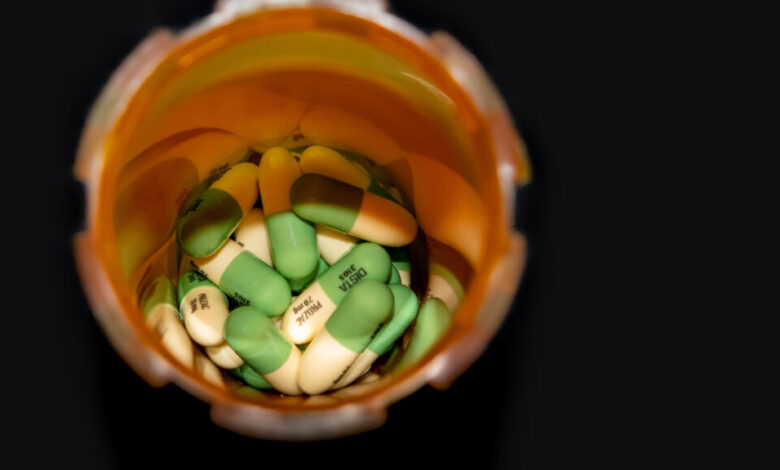
Intrusive thoughts and panic attacks were a constant struggle for Tinelle Windham during her first three pregnancies. When her doctor suggested she start taking Zoloft, an SSRI, to help manage her anxiety and depression during her second pregnancy, she was hesitant. Concerns about side effects and potential harm to her baby weighed heavily on her mind.
“I was really skeptical about taking medication and opted to see a therapist instead. But ultimately, I found it incredibly challenging to cope without any medical intervention,” Windham, a lawyer from southern Maryland, shared.
Many pregnant individuals facing similar mental health challenges often choose to forgo or discontinue antidepressants due to fears of harming their unborn babies. However, experts in the field emphasize that the risks associated with untreated mental illness, particularly during pregnancy, far outweigh the potential and minimal risks of antidepressant use. According to a 2024 report from the Centers for Disease Control and Prevention, mental health conditions, including suicides and drug overdoses, have become the leading cause of pregnancy-related deaths.
A recent discussion hosted by the Food and Drug Administration shed light on the effects of SSRIs during pregnancy, focusing heavily on the perceived risks of these treatments. The panel primarily consisted of clinicians and researchers with a history of skepticism towards antidepressants, some of whom may have financial incentives tied to their skepticism.
It is crucial to acknowledge the importance of mental health care during pregnancy and to weigh the benefits of proper treatment against the potential risks. Seeking support from healthcare professionals and carefully considering the best course of action based on individual circumstances is essential for promoting the well-being of both the pregnant individual and their baby.