State AGs sue after Supreme Court decision
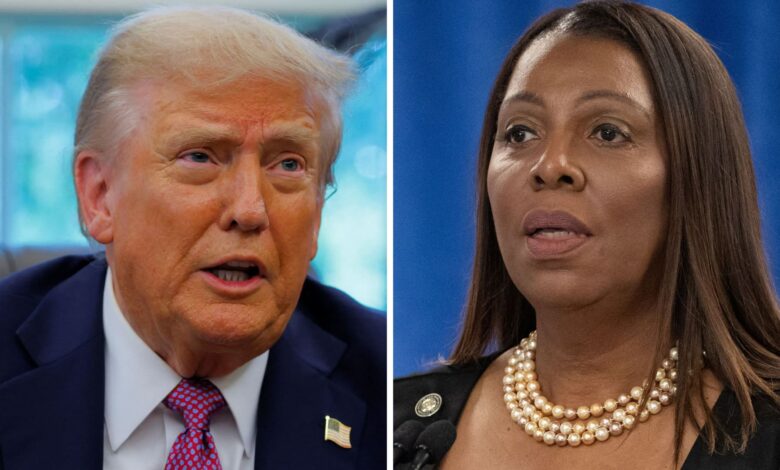
New York Attorney General Letitia James and 23 other state prosecutors have once again taken legal action against President Donald Trump’s global tariff regime. This lawsuit comes just days after the Supreme Court struck down Trump’s previous efforts to impose sweeping tariffs.
The lawsuit, filed in the Court of International Trade, aims to declare Trump’s latest tariffs illegal and seeks refunds for the affected states. Last month, the Supreme Court ruled that Trump’s use of the International Emergency Economic Powers Act to impose tariffs was improper, invalidating most of his “Liberation Day” tariffs.
However, Trump quickly announced a new wave of tariffs based on Section 122 of the Trade Act of 1974. The current tariff rate is set at 10%, with plans to increase it to 15%. New York Attorney General Letitia James criticized Trump’s actions, stating that he is causing economic chaos and expecting Americans to bear the burden of these tariffs.
The coalition of state attorneys general, who were successful in blocking Trump’s original tariffs, is adding to the international uncertainty created by the president’s tariff policies. A federal court recently ruled that companies affected by the tariffs struck down by the Supreme Court are owed billions of dollars in refunds.
The attorneys general argue that Trump is misusing Section 122 of the 1974 trade act, which was not intended to combat trade imbalances. They also claim that the tariffs violate the Constitution’s separation-of-powers principle and the requirements of the 1974 trade act.
This legal battle is a continuation of the ongoing feud between Trump and Letitia James. Trump’s Justice Department indicted James on charges of bank fraud and making false statements to a financial institution, but these charges were dismissed by a judge. The lawsuit against Trump’s tariffs is another chapter in their legal entanglements.
The Trump administration maintains that the tariffs are necessary to address international payment problems and balance-of-payments deficits. They pledge to vigorously defend the president’s actions in court.
In conclusion, the legal battle over Trump’s tariffs continues to unfold, with state prosecutors challenging the president’s use of executive power to impose tariffs. The outcome of this lawsuit will have significant implications for trade policy and the balance of power between the executive and legislative branches of government.