States jostle over $50 billion rural health fund as Trump’s Medicaid cuts trigger scramble
States Compete for Share of $50 Billion Rural Health Fund
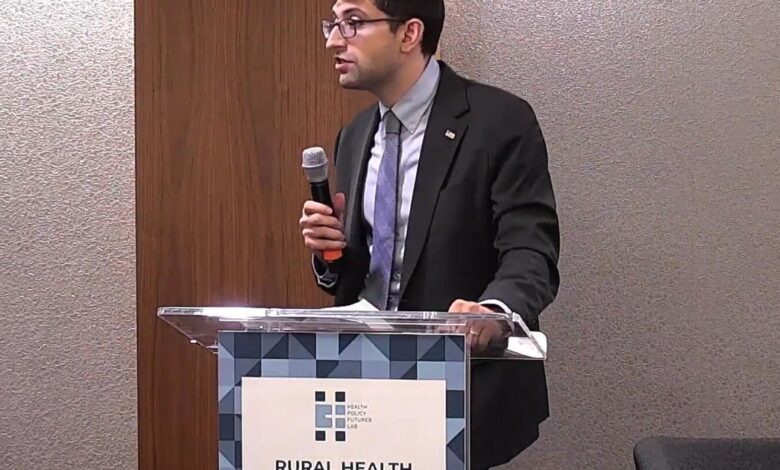
Washington — As states across the nation vie for a portion of the new $50 billion rural health fund, the focus is shifting from simply aiding rural hospitals to reshaping the delivery of healthcare in rural communities. According to Centers for Medicare & Medicaid Services official Abe Sutton, the goal is to “rebuild and reshape” healthcare services rather than just providing financial support to hospitals.
Sutton emphasized during a recent meeting at D.C.’s Watergate Hotel that the fund is not intended to be a bailout for struggling hospitals’ operating budgets. Instead, states are encouraged to submit proposals that introduce innovative approaches to healthcare delivery in rural areas.

With rural hospitals facing financial challenges due to cuts in federal Medicaid spending, the $50 billion fund aims to provide a lifeline to these institutions. However, there is a growing divide between traditional healthcare providers and technology-focused companies looking to revolutionize healthcare delivery.
States are required to submit their applications by November 5th, with funds set to be allocated by the end of the year and distributed over a five-year period. Half of the fund will be evenly distributed among all states, while the remaining half will be awarded based on a scoring system that evaluates states’ initiatives aligned with the administration’s healthcare objectives.
The application process includes specific policy goals such as remote care services, data infrastructure, and consumer-facing technology tools like AI chatbots. While some are concerned about the distribution of funds, others see this as an opportunity to introduce innovative solutions to rural healthcare challenges.
As states gear up to submit their proposals, stakeholders are working on strategies to utilize the funds effectively. From loan repayment programs to workforce development initiatives, the focus is on transforming rural healthcare systems to ensure sustainability and quality care for residents.
Amidst the competition among states for funding, the ultimate goal remains to improve access to healthcare services and address the unique needs of rural communities across the country.