Stock Android vs One UI vs HyperOS and more
Stock Android vs Custom Skins: Understanding the Key Differences
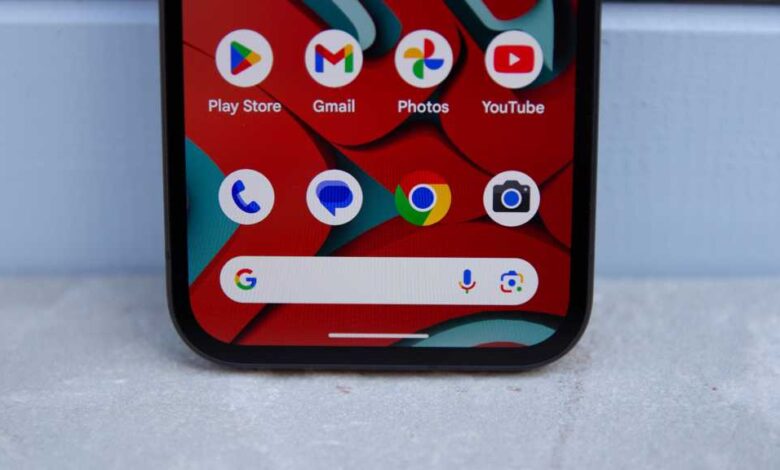
When it comes to Android phones, the debate between stock Android and custom skins is ongoing. Stock Android is often considered the purest form of the operating system, with a clean interface and no bloatware. On the other hand, custom skins from manufacturers like Samsung and Xiaomi add unique features and design changes that alter the user experience significantly.
Custom skins are not just about visual appeal – they allow manufacturers to tailor the software to their specific hardware, optimizing performance and functionality. As foldable phones become more common, custom skins help brands adapt the interface to different screen orientations and split views. Additionally, custom skins can implement features that Google may not prioritize in stock Android, enhancing the overall user experience.
Light skins, which stay close to stock Android, offer a more core Android experience with minimal design changes. In contrast, heavy skins make significant alterations to the interface, system apps, and background behavior. While heavy skins may offer more features, they can also apply stricter background controls and aggressive battery management, affecting performance.
Privacy and data collection are also important considerations when comparing stock Android to custom skins. While stock Android may feel more privacy-friendly, custom skins from manufacturers may add additional data collection through their own analytics and cloud services. It’s essential for users to have control over their data and transparency on what is being collected, regardless of the software skin.
Updates and long-term support are crucial factors to consider when choosing between stock Android and custom skins. Pixel devices receive updates faster due to Google’s control over both hardware and software. Other manufacturers may take longer to release updates as they need to design, modify, and test the software for their devices.
Ultimately, the choice between stock Android and custom skins comes down to personal preference and how you use your phone. Whether you prefer a clean and bloatware-free interface or a more feature-rich experience, it’s important to consider how well the software is optimized for performance and long-term usability. Light or heavy, the key is to choose a well-optimized phone that aligns with your individual needs and preferences.