Stocks, bonds and the dollar drift after the latest downgrade to the US government’s credit rating
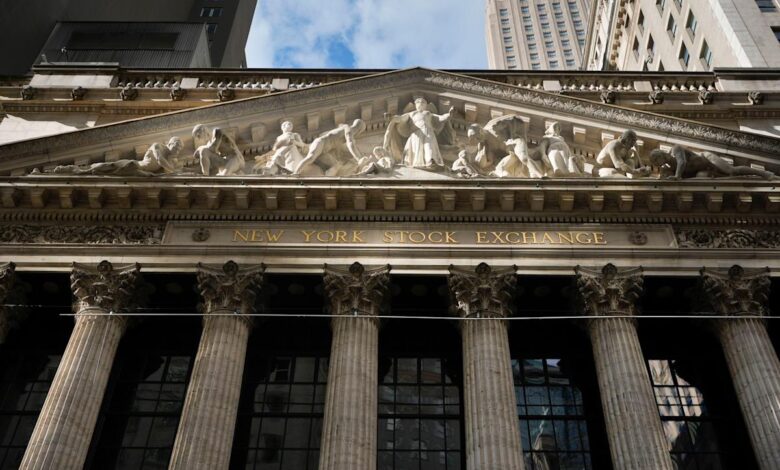
In the latest turn of events, U.S. markets experienced a slight uptick after Moody’s Ratings downgraded the U.S. federal government’s credit rating. The S&P 500 saw a marginal increase of 0.1%, while the Dow Jones Industrial Average gained 0.3% and the Nasdaq composite inched up by less than 0.1%. This downgrade serves as a stark reminder of the mounting debt crisis facing the U.S. government, as it continues to borrow extensively to cover its expenses.
Moody’s highlighted the ongoing issue of increasing government borrowing and the challenges in controlling Washington’s spending and generating revenue to address the growing debt burden. While these problems are not new, they underscore the longstanding inability of policymakers to rein in the ballooning debt. Standard & Poor’s had previously lowered the U.S. credit rating in 2011, further emphasizing the persistent challenges in managing the country’s finances.
Despite the initial market reaction to Moody’s move, investors have likely already factored in these concerns, anticipating limited additional impact on the market. Stock and bond prices initially declined on Monday but later stabilized, with the S&P 500 eventually turning into a modest gain after early losses.
Moody’s downgrade serves as a cautionary signal to global investors, warning against lending to the U.S. government at low interest rates. The yield on the 10-year Treasury briefly spiked above 4.55% before retracting, reflecting the increased cost of borrowing for the government. Similarly, the yield on a 30-year Treasury bond briefly surpassed 5% before easing back, indicating the rising interest rates facing the U.S. government.
The downgrade comes at a critical juncture for Washington, as policymakers debate potential tax cuts and the nation’s borrowing limit. Higher interest payments could have broader implications, leading to increased borrowing costs for households and businesses, impacting everything from mortgage rates to credit cards and potentially slowing economic growth.
In addition to the debt concerns, the market is also grappling with President Donald Trump’s trade war, which has raised uncertainty and prompted questions about the safety of U.S. bonds and the dollar as havens for capital. Despite these challenges, the U.S. economy has shown resilience, with hopes that trade deals and policy adjustments could alleviate some of the pressure.
Looking ahead, investors will closely monitor upcoming corporate earnings reports, particularly from retailers like Walmart, Target, Home Depot, Lowe’s, and TJX Cos. The market also saw a positive performance from Novavax, whose stock rose 15% after receiving regulatory approval for its COVID-19 vaccine.
Overall, the U.S. markets closed with modest gains, with the S&P 500 rising to 5,963.60, the Dow Jones Industrial Average climbing to 42,792.07, and the Nasdaq composite reaching 19,215.46. While global markets showed mixed movements, with modest changes in Europe and Asia, the foreign currency markets witnessed a decline in the value of the U.S. dollar against major currencies.
As the economic landscape continues to evolve, investors remain vigilant, navigating through a complex environment shaped by debt concerns, trade tensions, and policy uncertainties. The path forward remains uncertain, with market participants closely monitoring developments and adjusting their strategies accordingly.