Stocks see biggest drop in months after Trump threatens more tariffs on China
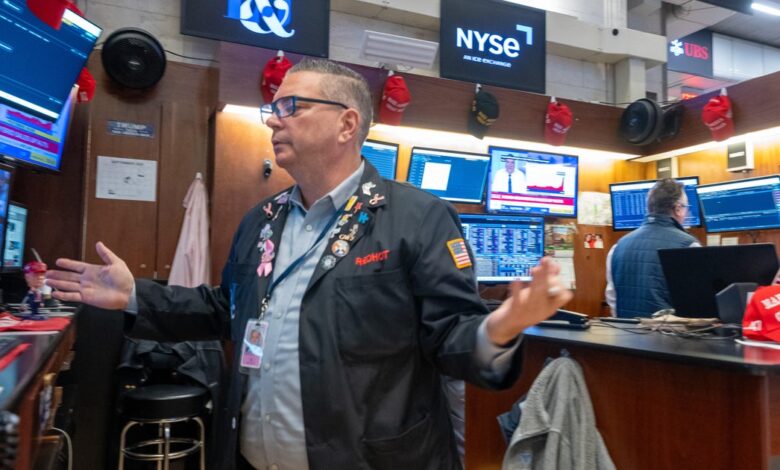
Global investors are feeling the heat as trade tensions between the United States and China escalate once again. The stock market took a sharp nosedive on Friday, with the S&P 500 plummeting 2.7% to close at 6,553 points, marking its worst day since April. The Dow Jones Industrial Average also fell by 1.8%, shedding 879 points, while the Nasdaq Composite dropped 3.6%.
This widespread selloff impacted a wide range of stocks, from tech giants like Nvidia and Apple to smaller companies grappling with uncertainties surrounding tariffs and trade policies. Wall Street analyst Adam Crisafulli of Vital Knowledge noted that the recent tit-for-tat between the U.S. and China has raised trade-related risks, despite the consensus view that tariffs may not increase and that President Trump and President Xi will still meet in South Korea.
The market initially showed signs of a modest gain in the morning, but President Trump’s announcement on social media about considering a “massive increase of tariffs” on Chinese imports quickly reversed the trend. Trump expressed frustration over China’s restrictions on rare earth exports, essential materials for various industries.
Furthermore, Trump’s threat to cancel a scheduled meeting with Chinese President Xi Jinping at the upcoming Asia-Pacific Economic Cooperation summit added to the market jitters. Charlie Ripley, senior investment strategist for Allianz Investment Management, highlighted Trump’s tariff threats as a typical negotiating tactic that prompted investors to take a cautious approach.
Market Correction Looming?
The market correction may have been looming, as critics pointed out that U.S. stock prices had surged too high, outpacing corporate earnings growth. Concerns were particularly heightened in the artificial intelligence sector, drawing comparisons to the dot-com bubble of 2000. For stocks to appear more reasonably priced, either prices need to adjust downward or profits must increase.
In addition to trade tensions, other factors dampened investor sentiment on Friday, including the ongoing U.S. government shutdown and consumer anxiety about the economy. The University of Michigan’s October sentiment index showed a slight decline, reflecting ongoing concerns about high prices and weakening job prospects among consumers.
The Federal Reserve’s recent interest rate cut, the first in a year, signaled a response to a slowing job market. While further rate cuts are anticipated to support economic growth, Fed Chair Jerome Powell has emphasized the need to monitor inflation levels closely, as lower interest rates could potentially fuel inflationary pressures.