Strait of Hormuz ship traffic slows to a crawl. Here’s what to know about the key oil waterway.
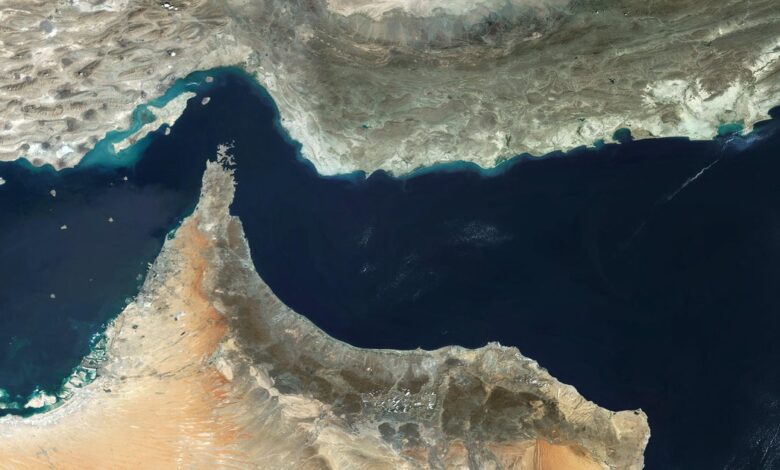
The recent U.S. and Israel attacks on Iran have brought the spotlight onto the vital waterway known as the Strait of Hormuz. This narrow passage serves as a crucial route for global oil shipments, with approximately 20% of the world’s oil flowing through its waters. The outbreak of hostilities in the region has led to a significant slowdown in marine traffic through the strait, raising concerns about potential disruptions to oil supplies and a subsequent increase in energy costs.
The U.K. Maritime Trade Operations Center has reported attacks on several vessels in the area surrounding the strait, as well as warnings of heightened electronic interference affecting ship navigation systems. Kevin Book, managing director at Clearview Energy Partners, highlighted the risks associated with the conflict in the region, emphasizing the potential threat to critical infrastructure from both deliberate and inadvertent attacks.
The strategic significance of the Strait of Hormuz lies in its role as a key passage connecting the Persian Gulf to the Gulf of Oman and the Arabian Sea. Major oil-producing countries such as Saudi Arabia, United Arab Emirates, Iraq, Kuwait, Qatar, and Iran rely on this route to transport their oil and gas to global markets. The current standoff in the region has led shipping giants like Maersk and Hapag-Lloyd to suspend all shipments through the strait, causing oil prices to surge amid concerns of a prolonged disruption in crude supplies.
Analysts have pointed out that while Iran may attempt to impede ship traffic through the strait, sustained closure of the waterway could have severe economic repercussions, including a sharp increase in oil prices. Alternative routes such as the East-West Pipeline in Saudi Arabia and the Abu Dhabi Crude Oil Pipeline in the UAE exist, but they can only accommodate a fraction of the oil volume that passes through the strait daily.
The potential closure of the strait has raised questions about the impact on oil prices and the global economy. While some experts predict a significant rise in oil prices if the strait remains shut for an extended period, others believe that the U.S.’s surplus oil reserves and soft global oil demand could mitigate the immediate impact on consumers. Nonetheless, the uncertainty surrounding the situation in the region underscores the need for a swift resolution to avoid further escalation and economic fallout.
In conclusion, the Strait of Hormuz remains a critical chokepoint for global oil trade, and any prolonged disruption in shipping through the strait could have far-reaching consequences for energy markets and the world economy. It is essential for all parties involved to prioritize diplomatic solutions to de-escalate tensions and ensure the uninterrupted flow of oil through this vital waterway.