Study finds more than 150,000 uncounted Covid-19 deaths
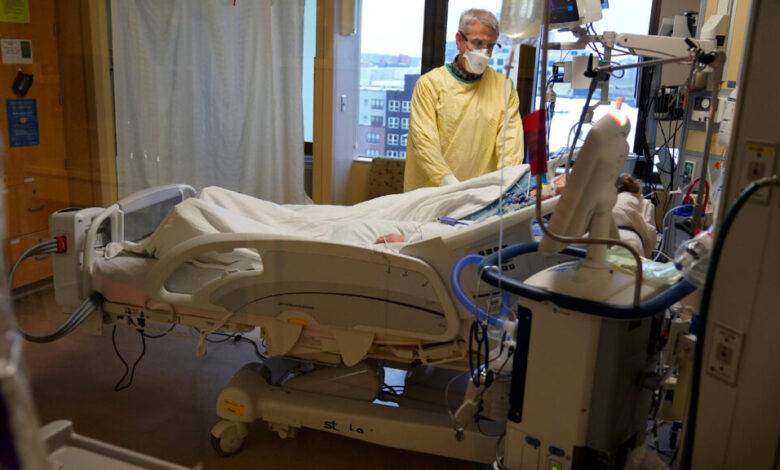
The Covid-19 pandemic’s toll in terms of deaths has been a subject of much debate and scrutiny since its onset. A recent study has shed light on the fact that the official death count in the United States may have significantly underestimated the true number of Covid-19 related deaths. While approximately 840,000 Covid-19 deaths were reported on death certificates in 2020 and 2021, researchers using artificial intelligence techniques estimate that as many as 155,000 additional deaths may have gone unrecognized during that time period, particularly those that occurred outside of hospitals. This discrepancy suggests that around 16% of Covid-19 deaths were not accounted for in the official statistics.
The study, published in the journal Science Advances, revealed that the uncounted deaths were more likely to be among Hispanic individuals and other people of color who passed away in the early stages of the pandemic, particularly in states in the South and Southwest such as Alabama, Oklahoma, and South Carolina. This highlights the disparities in healthcare access and outcomes that continue to affect marginalized communities even six years after the pandemic first hit.
One of the key challenges identified in the study was the lack of testing for individuals who fell ill and died outside of hospital settings. At-home testing was not widely available in the early stages of the pandemic, leading to many deaths being attributed to causes other than Covid-19. Additionally, the decentralized nature of death investigations in the U.S., where coroners with varying levels of training handle cases, may have contributed to the undercounting of Covid-19 deaths.
The politicization of Covid-19 death counts also played a role in the discrepancies observed. False claims and misinformation circulating on social media, as well as statements from political figures questioning the accuracy of the death toll, added to the confusion and mistrust surrounding the official numbers. However, it is important to note that the study focused specifically on deaths directly attributed to the coronavirus, excluding other pandemic-related fatalities such as those resulting from overwhelmed healthcare systems and social disruptions.
In an effort to more accurately assess the true impact of the pandemic, the researchers utilized machine learning to analyze patterns in death certificates and identify potential cases that were missed in the official count. While the use of artificial intelligence in research is still evolving, the findings of this study provide valuable insights into the complexities of tracking and reporting Covid-19 deaths.
Overall, the study underscores the need for a more comprehensive and equitable approach to documenting the toll of the pandemic, especially in vulnerable communities. By addressing the gaps in testing, reporting, and healthcare access, we can ensure a more accurate reflection of the impact of Covid-19 on society.