Study links wildfire smoke exposure and heat stress to adverse birth outcomes
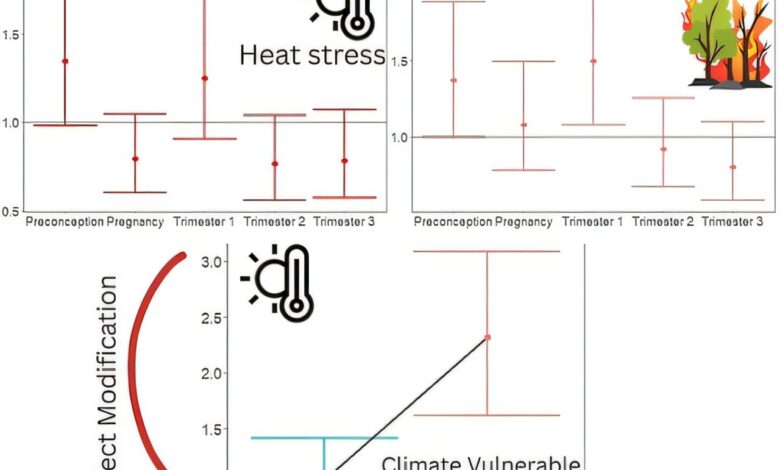
The recent study led by USC postdoctoral researcher Roxana Khalili, Ph.D., has shed light on the negative impact of exposure to wildfire smoke and heat stress on birth outcomes for women, especially in climate-vulnerable neighborhoods. Published in Environmental Science & Technology, this study is one of the first to reveal the significant effects of these climate-related exposures on adverse birth outcomes, even for women exposed to them in the month before conception.
Khalili and her team utilized data from the ongoing MADRES cohort study, focusing on pregnant women in Los Angeles, to explore the associations between wildfire smoke exposure, heat stress, and infant health. By analyzing 713 births between 2016 and 2020, they were able to pinpoint the effects of these environmental factors on birth outcomes.
The study found that greater exposure to wildfire smoke and heat stress during the month before conception and the first trimester of pregnancy was linked to higher odds of having a small-for-gestational-age (SGA) baby. SGA infants are at greater risk of health problems, both immediate and long-term. Additionally, exposure to moderate smoke density during the first trimester was associated with a higher likelihood of giving birth to a low-birth-weight baby.
Furthermore, living in climate-vulnerable neighborhoods was found to amplify the impact of heat stress on adverse birth outcomes, particularly for women exposed during preconception. The study highlighted that Fenton Z-scores decreased significantly with more days of wildfires experienced during pregnancy, indicating a deviation in infant size from the average.
As California faces longer-lasting wildfire events and other cities across the US encounter similar challenges, understanding the effects of these climate hazards on pregnant women is crucial. The findings underscore the need for interventions that go beyond individual measures, focusing on community resilience and addressing the cumulative impacts of environmental factors and socioeconomic vulnerabilities.
Roxana Khalili and her team believe that the study marks a significant step in understanding the health risks associated with climate hazards. They emphasize the importance of holistic, actionable research to strengthen community resilience and target interventions effectively.
In conclusion, the study provides valuable insights into the adverse effects of wildfire smoke exposure and heat stress on birth outcomes. By identifying these risks and their impact on pregnant women, researchers aim to develop strategies to mitigate the health risks associated with climate-related exposures.