‘Stunningly preserved’ dinosaur ‘mummies’ discovered in Wyoming have skin and hooves
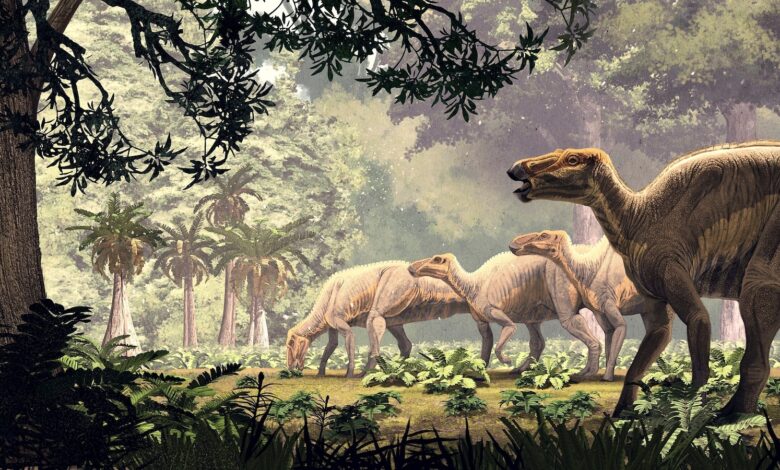
Duck-billed dinosaurs, known as Edmontosaurus annectens, have intrigued scientists for over a century. Fossils of these creatures were discovered in eastern Wyoming in the early 1900s, revealing unique features that set them apart from other dinosaur species. Recent research conducted by paleontologists at the University of Chicago has shed new light on these ancient creatures, uncovering astonishing details about their anatomy and preservation.
The skeletons of these duck-billed dinosaurs are exceptionally well-preserved, with fleshy body parts still intact after millions of years. These mummified remains were found embedded in thin layers of clay, providing a rare glimpse into the soft tissues of these extinct animals. Among the preserved body parts are pieces of skin, spikes, and hooves, offering valuable insights into the appearance and physiology of these creatures.
Unlike typical soft tissue preservation, which occurs in specific environments like lagoons or seabeds, the preservation of the Edmontosaurus annectens specimens is unique. The fleshy parts are not fossilized flesh but delicate clay molds formed by microbes as the animals decayed. These clay layers, bound by sandstone, served as a surface template over the decaying carcasses, aided by biofilms.
Upon closer examination of the fossils, researchers discovered that the preserved skin texture and body parts were not fossilized as previously thought. The findings of two additional mummified specimens, a juvenile and an adult, provided further evidence of the exceptional preservation of these creatures. The late juvenile specimen is the first subadult dinosaur mummy, showcasing a fully preserved fleshly outline, including a neck and trunk crest. The adult specimen retained its full tail spike row, making it the earliest known tetrapod with hooves.
The midline crest and tail spikes of the Edmontosaurus annectens revealed a far more complex hide than previously suggested by historical restorations. These findings have profound implications for our understanding of these ancient creatures and their evolutionary history. Additionally, the species shares functional and morphological similarities with modern squamates, the largest order of reptiles that includes lizards and snakes.
In conclusion, the discovery of mummified duck-billed dinosaur specimens has provided a unique opportunity to study the soft tissues and anatomy of these ancient creatures in unprecedented detail. The research conducted by the University of Chicago paleontologists has opened up new avenues for further exploration and understanding of the Edmontosaurus annectens species.