Supply chain diversification away from China is progressing from talks to action, EU chamber says
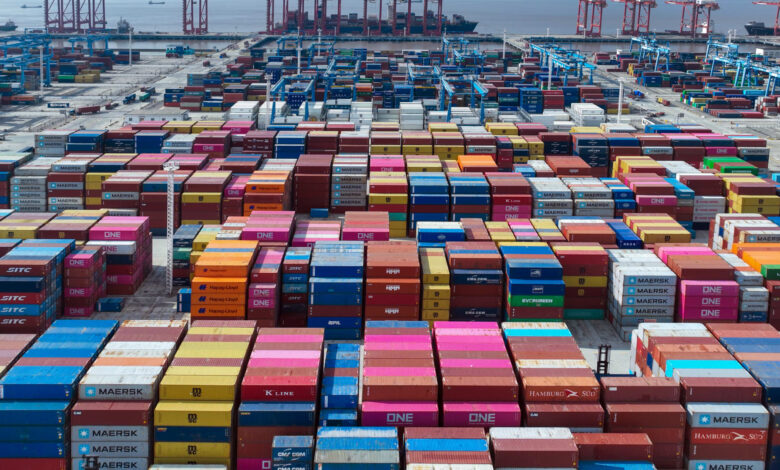
Supply chain diversification away from China is becoming more than just a conversation—it’s turning into action. According to Jens Eskelund, the president of the European Union Chamber of Commerce in China, businesses are gearing up to reduce their dependence on Chinese suppliers. As we look towards the new year after a tumultuous 2025, Eskelund highlighted the need to address vulnerabilities in the global supply chain.
China’s trade surplus hit a record $1 trillion for the year through November, showcasing the country’s dominance in global trade. However, this success has also drawn scrutiny, with China facing a record number of World Trade Organization investigations last year. The EU Chamber’s report revealed that China’s share in global container shipping has been steadily increasing, signaling a growing reliance on Chinese production.
The pandemic exposed the risks of relying heavily on Chinese manufacturing, prompting businesses to reevaluate their supply chains. As tensions between the U.S. and China escalated, Beijing’s export controls on critical rare earths underscored the world’s dependency on Chinese production. A survey by the American Chamber of Commerce in Shanghai found that a record number of companies diverted investments planned for China.
In response to these challenges, businesses are looking to diversify their supply chains beyond China. The EU Chamber reported that half of its members have witnessed their China-based suppliers shifting production to other markets. This trend towards diversification does not necessarily mean reshoring—it’s more about “friendshoring,” as companies explore opportunities in Mexico and Southeast Asia.
As companies navigate this shifting landscape, they are focusing on mapping out their entire supply chain and building partnerships with overseas factories. Chinese firms are also getting involved in setting up production facilities in other countries. Car companies from various nations, including China, are leading the way in adopting this approach.
The path to a more diversified supply chain is complex, but necessary for businesses to mitigate risks and adapt to changing geopolitical dynamics. By reducing reliance on a single source and expanding their network of suppliers, companies can enhance their resilience and ensure continuity in their operations. As we move into the new year, supply chain diversification will remain a key priority for businesses looking to build a more robust and sustainable global supply chain. The rise of telemedicine during the COVID-19 pandemic
The COVID-19 pandemic has brought about many changes in the way we live our lives, and one of the most prominent shifts has been the rise of telemedicine. Telemedicine, also known as telehealth, is the practice of providing medical care remotely, using telecommunications technology such as video conferencing and messaging apps. This form of healthcare delivery has been around for many years, but it has seen a significant increase in popularity and usage during the pandemic.
One of the main reasons for the surge in telemedicine during the COVID-19 pandemic is the need to limit in-person contact and reduce the spread of the virus. With many people hesitant to visit healthcare facilities for fear of exposure to COVID-19, telemedicine has provided a safe and convenient alternative for receiving medical care. Patients can consult with their healthcare providers from the comfort of their own homes, eliminating the need to travel and wait in crowded waiting rooms.
Telemedicine has also proven to be an effective way to provide care for patients with chronic conditions who may be at higher risk for severe illness if they contract COVID-19. By allowing these patients to receive medical care remotely, telemedicine helps to keep them safe and healthy while minimizing their exposure to the virus.
Another benefit of telemedicine is its ability to improve access to healthcare for underserved populations. Rural communities, for example, often have limited access to healthcare facilities and providers. Telemedicine allows patients in these areas to consult with healthcare professionals without having to travel long distances, making it easier for them to receive the care they need.
Telemedicine has also been a lifeline for healthcare providers during the pandemic. With many healthcare facilities overwhelmed with COVID-19 patients, telemedicine has helped to alleviate some of the strain on the healthcare system by allowing providers to see patients remotely. This has helped to free up resources and reduce the burden on frontline healthcare workers.
As the COVID-19 pandemic continues to evolve, telemedicine is likely to remain an important tool in the delivery of healthcare. It offers a safe and convenient way for patients to receive medical care, while also improving access to healthcare for underserved populations. Telemedicine has proven to be a valuable asset in the fight against COVID-19, and its popularity and usage are expected to continue to grow in the future.