Supreme Court upholds FCC fund to expand phone and internet access
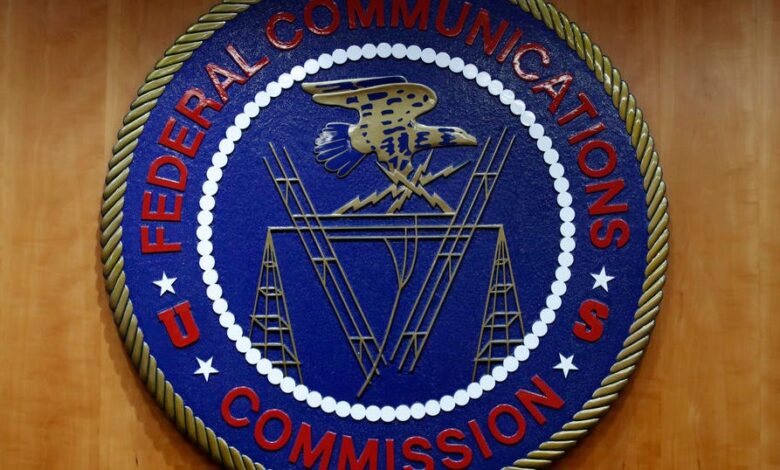
The recent Supreme Court decision upholding the Federal Communications Commission’s Universal Service Fund has significant implications for expanding phone and internet access to rural and low-income communities. The high court’s ruling affirmed the constitutionality of the FCC’s mechanism for administering the fund, which is supported by contributions from communications carriers and funds programs aimed at improving access to telecommunications services.
Justice Elena Kagan, writing for the majority in the 6-3 decision, emphasized the importance of the universal service programs in connecting the country over the past three decades. The Supreme Court’s decision also addressed the nondelegation doctrine, a legal concept that restricts Congress from delegating its legislative powers to executive branch agencies. The court rejected a challenge to the constitutionality of the Universal Service Fund based on this doctrine, affirming Congress’s authority to establish and delegate powers to the FCC for administering the fund.
The Universal Service Fund, established by the FCC after the passage of the Telecommunications Act of 1996, aims to ensure nationwide availability of communication systems. Carriers contribute to the fund, which is then used to subsidize phone and internet services for low-income customers, rural and high-cost areas, as well as schools, libraries, and rural healthcare providers. The fund is administered by the Universal Service Administrative Company, a not-for-profit corporation that determines carriers’ contribution rates and disburses funds to program beneficiaries.
Fees for the fund are based on a percentage of carriers’ revenue, with telecommunications companies passing on their share of contributions to consumers. The program collects nearly $10 billion annually, benefiting over 12,000 schools and libraries, more than 9,000 rural healthcare providers, and serving over 8 million low-income households. The legal battle over the constitutionality of the fund began in 2022 when a group of consumers, a carrier, and the nonprofit Consumers’ Research challenged it in the U.S. Court of Appeals for the 5th Circuit.
The Supreme Court’s decision to uphold the Universal Service Fund is a win for expanding access to essential communication services for underserved communities. The fund’s contributions play a vital role in bridging the digital divide and ensuring that all Americans have access to reliable phone and internet services. As technology continues to advance, the importance of programs like the Universal Service Fund in promoting connectivity and inclusivity cannot be overstated.