Survey reveals men would rather sit in traffic than talk about prostate health
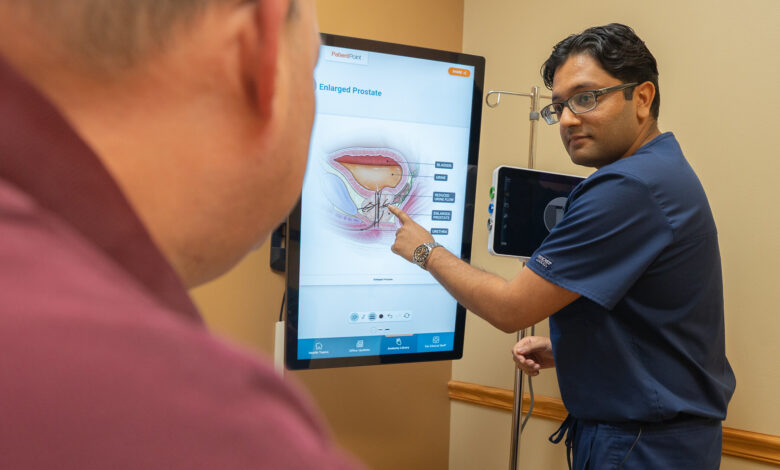
A recent survey conducted by Orlando Health has shed light on the reluctance of men to discuss their prostate health. According to the survey, over one-third of men (38%) would rather face stressful situations like being stuck in traffic or watching their favorite team lose a big game than talk about their prostate health. This hesitation to address a common health issue often results in delayed diagnosis and treatment for conditions such as an enlarged prostate.
Dr. Jay Amin, a urologist at Orlando Health, explains that as men age, their prostates tend to enlarge. This enlargement can lead to symptoms such as urinary frequency, urgency, and difficulty urinating, which can significantly impact a man’s quality of life. However, many men are hesitant to discuss these symptoms with their doctors.
Prostate enlargement affects a significant percentage of men, with approximately 60% of men experiencing it by age 60 and up to 80% by age 80. While traditional treatments may provide short-term relief, the HoLEP (holmium laser enucleation of the prostate) procedure offers a long-lasting solution. This minimally invasive procedure is performed through the urethra, resulting in minimal pain and a quick recovery time.
One patient, marathon runner Chris Golden, experienced a decline in his urinary health at the age of 50. After undergoing the HoLEP procedure performed by Dr. Amin, Chris was able to resume his normal activities without the urgency he had been experiencing.
Dr. Amin emphasizes the importance of discussing urinary concerns with a doctor, as an improved quality of life after an enlarged prostate is possible. Men are encouraged to seek medical advice and not shy away from addressing their urinary symptoms.
Overall, the survey highlights the need for open communication about prostate health and the importance of seeking timely medical attention. By addressing these concerns proactively, men can improve their quality of life and avoid unnecessary discomfort.