Tariff Checks: Will Trump Actually Send You a $2,000 Rebate?
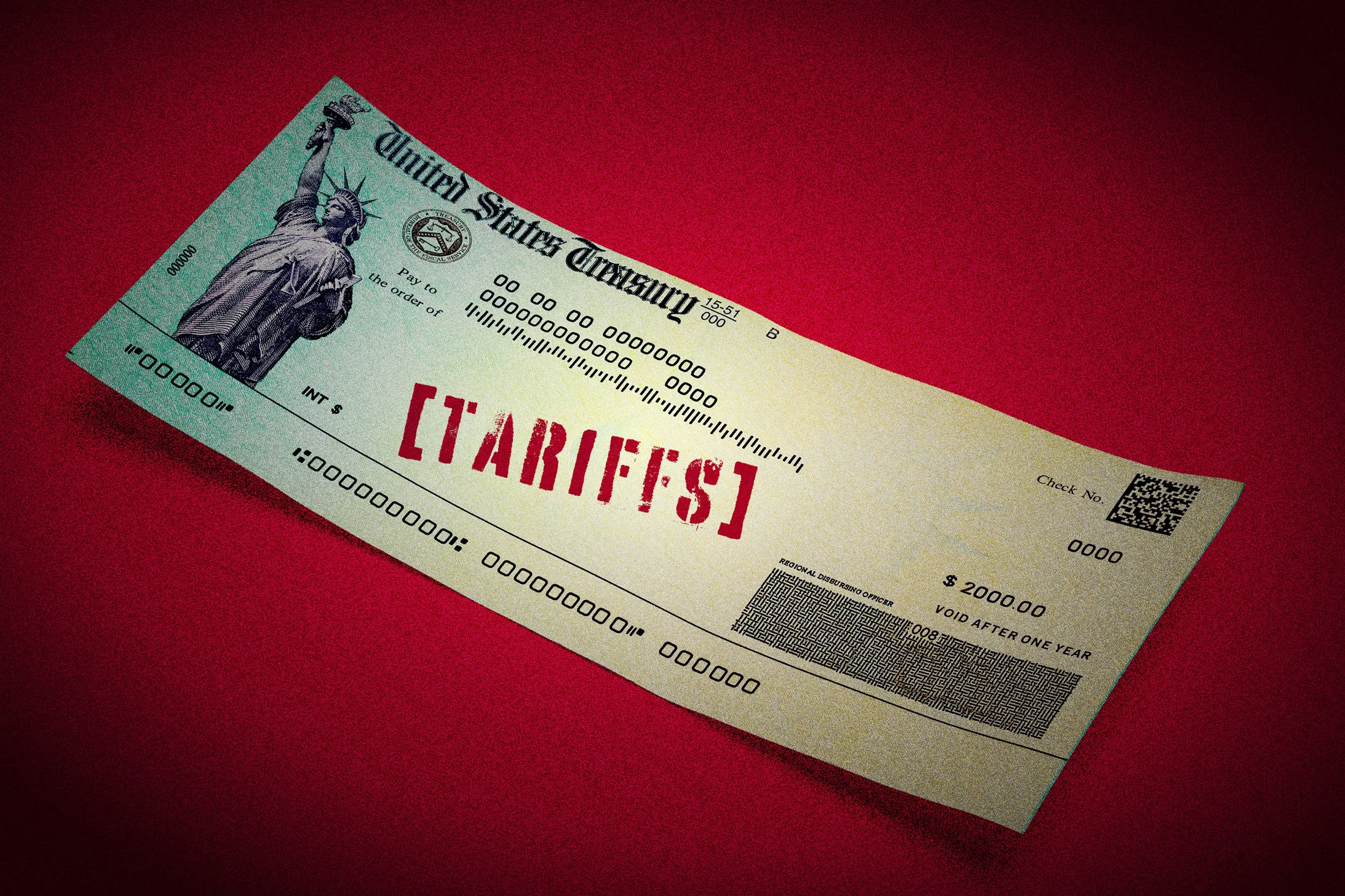
President Donald Trump recently made headlines with his proposal to send $2,000 tariff checks to taxpayers under a certain income level. This announcement comes amidst ongoing discussions about possible stimulus checks in 2025, although previous proposals have not materialized into actual payments for consumers.
In a series of social media posts, Trump shared his plan to distribute $2,000 payments funded by the government’s tariff revenue. He emphasized that these payments would exclude high-income individuals and any remaining funds would be allocated towards reducing the national debt. While the idea generated excitement and curiosity among the public, there are several obstacles that could prevent Americans from receiving these tariff checks.
One major hurdle is the need for Congressional approval to implement such a financial initiative. According to EY-Parthenon Chief Economist Gregory Daco, Congress holds the authority to make decisions regarding federal spending and tax policies, making it essential for Trump to gain legislative support for his proposal. Given the current political landscape and concerns about deficits and debt, convincing lawmakers to approve a substantial spending bill for tariff checks may prove challenging.
Furthermore, economists have raised doubts about the feasibility of funding $2,000 payments to low- and middle-income taxpayers solely through tariff revenue. The Committee for a Responsible Federal Budget estimates that implementing such checks could cost around $600 billion, far exceeding the additional $142 billion collected from tariffs in 2025. This discrepancy suggests that tariff checks could significantly impact the deficit and national debt, leading to long-term consequences on interest rates.
Despite some acknowledgment of the merit behind the tariff dividend idea, lawmakers like House Speaker Mike Johnson have expressed reservations about the optimal use of tariff revenue. Johnson highlighted the importance of considering alternative strategies, such as debt reduction, to ensure a sustainable fiscal trajectory for the country.
Ultimately, the feasibility of Trump’s proposal for $2,000 tariff checks hinges on Congressional support, economic considerations, and policy priorities. As discussions continue about the potential impact of such payments on the national economy, it remains to be seen whether Americans will receive the promised financial relief in the form of tariff checks.