Tariff Refund Lawsuits Won’t Lower Prices for Consumers
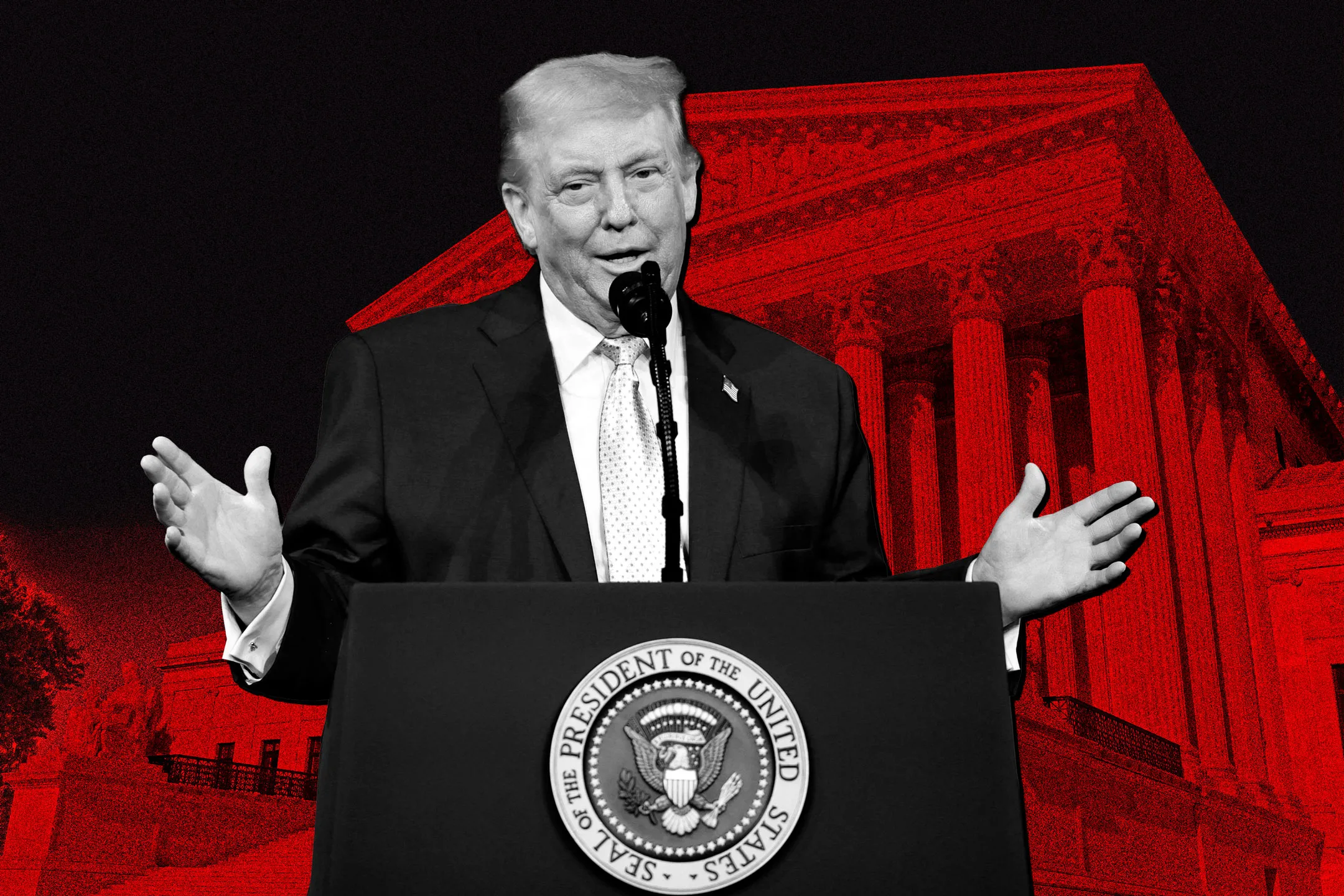
The Supreme Court is on the verge of making a crucial decision regarding President Donald Trump’s tariffs, which could have significant implications for importers. If the tariffs are deemed invalid, importers are hopeful to recoup billions of dollars in tariff revenue. According to Reuters, the Trump administration could potentially be ordered to refund over $133 billion in tariff revenue, although experts suggest that the actual reimbursement process could be quite challenging and may not directly benefit everyday Americans.
The legal challenge revolves around a set of tariffs that were imposed based on the International Emergency Economic Powers Act (IEEPA) of 1977. Critics argue that the law does not grant Trump the authority to impose tariffs, making them illegitimate. As the Supreme Court deliberates on this issue, retailers like Costco and Crocs have also taken legal action against the administration in hopes of securing refunds if the tariffs are invalidated.
Over 700 companies have initiated tariff refund lawsuits at the Court of International Trade, indicating the widespread impact of this legal battle. However, the outcome remains uncertain, and even if the tariffs are struck down, there is no guarantee that refunds will be issued. Siddartha Rao, an attorney, suggests that the court may invalidate the tariffs but refrain from addressing previous payments, leaving the matter unresolved.
In the event that refunds are approved, the process could take various forms, with Customs and Border Protection potentially implementing an online refund system or requiring businesses to submit administrative corrections. Importers who paid duties would be the primary beneficiaries of any refunds, as consumers are unlikely to receive direct payments from the government. While some companies may choose to pass along refunds to customers, there is no obligation for them to do so.
The potential for tariff refunds has raised concerns among companies whose payments have already been finalized by Customs and Border Protection. The Court of International Trade has reassured importers that entries can be reliquidated if tariffs are deemed unlawful by the Supreme Court. Additionally, Customs and Border Protection has announced plans to modernize its refund process in anticipation of a possible influx of refund requests.
Despite opposition from Trump administration officials, including Treasury Secretary Scott Bessent, who argue that tariff refunds would be detrimental to the Treasury, preparations are being made for a potential refund scenario. Bessent has alluded to the administration’s contingency plan to impose new tariffs if the current ones are invalidated, underscoring the ongoing uncertainty surrounding this issue.
Overall, the Supreme Court’s ruling on tariff refunds could have far-reaching implications for importers and businesses affected by Trump’s trade policies. While the outcome remains uncertain, the decision is eagerly awaited by stakeholders seeking clarity on the future of tariffs and potential refunds.