Tariffs on small-value packages go into effect as loophole ends
The loophole exempting small-value packages from tariffs came to an end at 12:01 a.m. on Friday, meaning that packages shipped into the U.S. under $800 are now subject to additional taxes. This change, which was implemented by President Donald Trump earlier this year for packages from China and Hong Kong, is seen as a crucial step in rebalancing trade and cracking down on the importation of illegal goods.
Senior White House officials have praised the closure of this loophole, stating that it will generate up to $10 billion in tariff revenues and help prevent the flow of narcotics and other prohibited items into the country. Peter Navarro, senior counselor to the president for trade and manufacturing, emphasized that ending the “deadly de minimis loophole” will save thousands of American lives by restricting the influx of dangerous substances like fentanyl.
Under the new policy, small-dollar packages entering the U.S. will be subject to the tariff rate of their country of origin. To facilitate a smooth transition, the administration is offering a six-month option where shippers can pay a flat fee ranging from $80 to $200 per item, depending on the tariff rate of the country of origin.
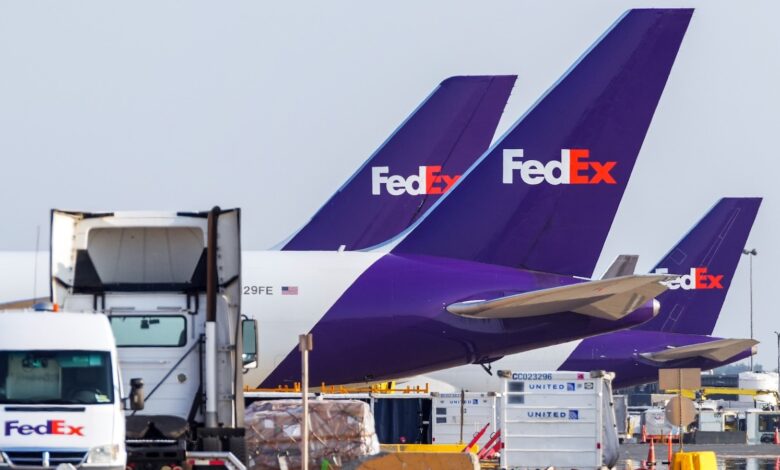
Despite concerns about the logistics of implementing this change, major shipping companies like UPS, FedEx, and DHL have assured that they are prepared for the transition. These companies have confirmed that they will continue to ship to the U.S. following the expiration of the tariff exemption.
When asked about potential challenges consumers may face during the implementation of this new policy, a senior administration official dismissed these concerns, stating that shipping companies worldwide were given sufficient notice. The official also highlighted the risks associated with small packages, noting that they are often used as smuggling devices for illegal goods.
Overall, a significant number of seized goods related to intellectual property violations or health and safety concerns involve small-value packages. Navarro emphasized the need for foreign postal services to improve their monitoring of packages entering the U.S., suggesting they are not as effective as express carriers like FedEx, UPS, and DHL.
Regarding staffing at U.S. Customs and Border Patrol to handle the increased workload, another senior administration official reassured that officers are prepared and stand ready for the change. The closure of the small-value package loophole marks a significant shift in trade policy, with the aim of enhancing border security and curbing the influx of illicit goods into the country.