Tech billionaires back startup pushing illegal gene-edited ‘designer babies’
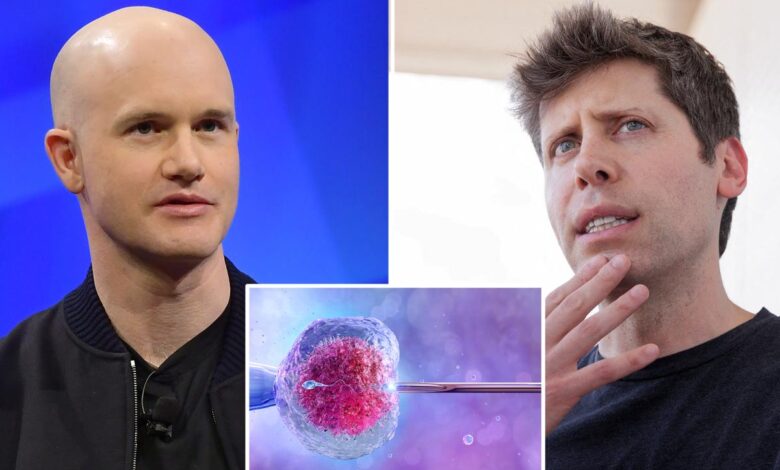
Silicon Valley Startup Pursuing Research on Genetically Engineered Babies
A Silicon Valley startup, backed by OpenAI’s Sam Altman and Coinbase’s Brian Armstrong, is embarking on research that could potentially lead to the creation of genetically engineered babies, a controversial step that is currently illegal in the US and banned in most countries.
The company, named Preventive, has a mission to eradicate hereditary diseases by editing human embryos before birth, sparking intense debates on the safety, ethics, and implications of creating designer babies, as reported by the Wall Street Journal.
Founded by gene-editing scientist Lucas Harrington earlier this year, Preventive has raised $30 million and established its headquarters in San Francisco. The company is focused on researching the modification of embryos to prevent hereditary diseases.

Preventive emphasizes that it aims to demonstrate the safety and transparency of the technology before any attempts are made to create a genetically engineered baby. Early investors in the firm include Altman and Armstrong, according to the Wall Street Journal.
Altman’s husband, Oliver Mulherin, led their investment in Preventive, citing the effort as a means to help families avoid genetic illnesses. Armstrong, a proponent of embryo editing, expressed his excitement in backing Preventive, arguing that correcting genetic defects in embryos is more feasible than treating diseases later in life.
However, current federal law prohibits the FDA from considering applications for human trials involving genetically edited embryos for pregnancy initiation purposes.
Harrington, a former student of CRISPR pioneer Jennifer Doudna, refuted claims that Preventive is preparing to implant edited embryos or collaborating with any couple in such endeavors. He stated that the company’s primary focus is on preclinical research to ensure the safe editing of embryos.
Preventive has reportedly explored opportunities in foreign jurisdictions, such as the United Arab Emirates, where embryo editing may be permitted, due to regulatory constraints. Harrington clarified that any work outside the US is motivated by regulatory considerations, not an attempt to evade oversight.
The company has assembled a team of advisors from reproductive medicine and genetics. Preventive operates as a public-benefit corporation, legally able to prioritize social welfare alongside profits.
The endeavor evokes memories of the 2018 incident involving Chinese scientist He Jiankui, who generated the world’s first gene-edited babies. He was subsequently imprisoned for illegal medical practices. The consequences of the gene edits on the children remain unclear.
As Silicon Valley investments in reproductive genetics surge, other companies like Manhattan Genomics and Bootstrap Bio are also exploring embryo editing, prompting scrutiny from bioethicists and regulators for discussing potential trials outside the US.
Critics caution that commercial embryo editing could lead to eugenics practices. However, proponents of the technology emphasize its medical benefits, particularly in addressing monogenic disorders like cystic fibrosis and sickle cell disease.
The Post has reached out to Preventive, Altman, and Armstrong for comments on the matter.