Tech giants bet consumers are finally ready to strap on smart glasses
AI Eyeglasses: The Future of Wearable Technology
If the idea of viewing the world through the lens of artificial intelligence excites you, then you’ll be pleased to know that a growing number of technology companies are now offering AI eyeglasses. One of the latest players in this market is Alibaba, who recently launched their Quark AI Glasses in China. These smart glasses allow wearers to access Alibaba’s Qwen AI app with just a touch of a button. Users can enjoy a wide range of functionalities such as internet browsing, note-taking, making payments, listening to music, and managing their schedule.
One standout feature of the Quark AI Glasses is the built-in camera that enables users to snap a picture of a product and instantly check its price on Alibaba’s e-commerce platform, Taobao. Priced at 3,799 yuan (approximately $537), these glasses are currently only available for purchase in China.
While companies have experimented with smart glasses in the past without much success, the resurgence of interest in AI-powered wearable technology is evident. Major tech giants like Amazon, Meta, and Xiaomi are all jumping on the bandwagon, with dozens of smaller players also entering the market with their own offerings.
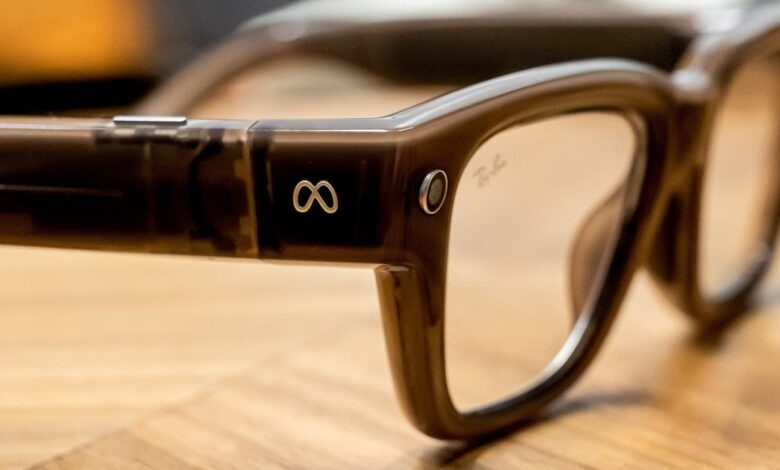
In the U.S., Meta has partnered with eyewear brands Oakley and Ray-Ban to introduce AI glasses that cater to a wide range of users. These glasses allow users to make calls, send messages, listen to music, stream videos, translate languages, and access the internet via Meta’s AI app. Athletes, in particular, have shown interest in these products, with some visually impaired individuals also finding utility in smart glasses for real-time assistance with everyday tasks.
Market researchers predict steady growth in the smart glasses market, with global sales expected to reach nearly 20 million units by 2029. Despite this positive outlook, one major hurdle that AI eyewear will need to overcome is privacy concerns. Security experts warn about the potential risks associated with smart glasses capturing, storing, and sharing personal data, as well as the ethical implications of recording and streaming video without consent.
As the adoption of AI eyeglasses continues to grow, it’s clear that this technology has the potential to revolutionize how we interact with the world around us. With advancements in artificial intelligence and wearable technology, the future of smart glasses looks promising.