Tens of thousands of mothers were flagged to police over flawed drug tests at childbirth
However, the data also includes cases where women were falsely accused due to legal substances or medications prescribed to them during pregnancy or childbirth. In some instances, women were unaware of the potential impact these substances could have on drug tests, leading to devastating consequences.
Experts in maternal and reproductive health are deeply troubled by the widespread surveillance and criminalization of pregnant individuals. They argue that these practices not only harm women and families but also undermine public health efforts to support healthy pregnancies and childbirth.
Advocates are calling for a shift in policies and practices to prioritize the well-being of pregnant individuals and their families. They argue that punitive measures such as arrests and child removals are ineffective and harmful, creating barriers to seeking medical care and support during pregnancy.
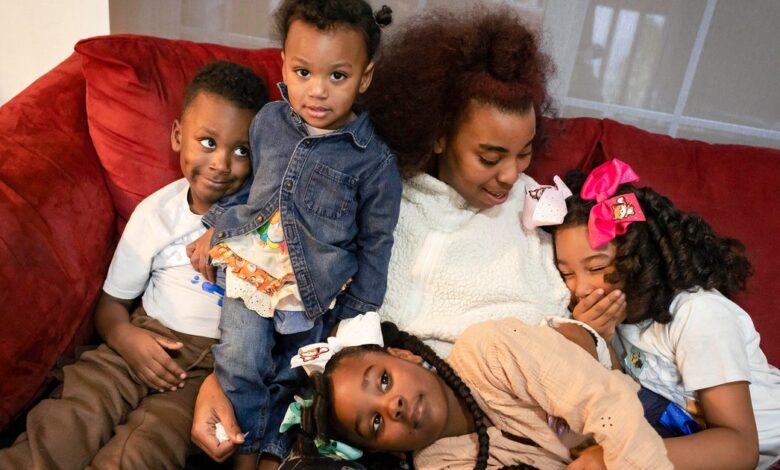
As stories like Ayanna Harris-Rashid’s come to light, there is a growing recognition of the need to address systemic issues that contribute to the criminalization of pregnant individuals. By advocating for policy changes, increased education, and support for substance use disorders during pregnancy, advocates hope to create a more compassionate and equitable system for all individuals navigating pregnancy and childbirth.
But data from three states that specifically track cases involving prescriptions show that thousands of new mothers were referred to law enforcement based solely on medications their doctors gave them. In many states, referrals to police occurred even though some child welfare agencies ended up dismissing the allegations, or never accepted the reports in the first place.
The Marshall Project received data from 15 states about the outcomes of child welfare investigations. More than half of the cases referred to law enforcement in those states — about 22,000 — were found not to involve child abuse or neglect. Yet police sometimes launched criminal probes that continued well after child welfare authorities declined to take further action.
Some states are making very few referrals to law enforcement. In Michigan, child welfare officials send cases to police only in very specific circumstances — for example, if there are concerns for a caseworker’s safety or allegations of serious physical harm to a child. Fewer than 1% of reports in the state were shared with law enforcement, The Marshall Project’s analysis found.
But in 13 states, child welfare agencies automatically share all such reports, according to a Marshall Project review of policies in 50 states. They span blue states like Minnesota to red states like Oklahoma, where a case is referred to law enforcement in one out of 24 births, a higher ratio than in any other state in the analysis.
Federal law requires states to refer families to services and ensure that they have plans to care for newborns exposed to substances. States that automatically send every report to police are far exceeding federal requirements, experts said.
“[The law] does not call for any criminal justice response,” said Nancy Young, the executive director of Children and Family Futures, a nonprofit that helps child welfare agencies implement federal requirements. “It doesn’t help in the long run. And it doesn’t help the baby.”
Decades of research suggest that using certain substances during pregnancy may harm the baby. Some illegal drugs are associated with early birth or stillbirth and can cause babies to experience withdrawal symptoms. Chronic use of cigarettes and alcohol can cause low birth weight and developmental delays. But studies show that punishments are ineffective at reducing substance use and can lead to poorer health outcomes for women, newborns, and families. Recognizing the potential for lasting harm, Illinois legislators in 2024 ended the requirement that child welfare authorities notify law enforcement.
Some states have set up alternative responses to offer services to families and steer them away from child abuse investigations. Yet several of these states also file automatic referrals with police, undermining what experts view as years of progress.
“I’m flabbergasted,” said Deborah Cohen, a professor at Oregon Health & Science University who studies the treatment of pregnant women with substance use disorders. Cohen said she had no idea state authorities forwarded reports of such patients to law enforcement. “I do not see how that’s helpful.”
The referrals are not always made for the purpose of filing criminal charges. In some states, they are a matter of administrative routine, required for any child abuse and neglect report. Child welfare authorities also call police to assist with emergency foster care removals, or to go with a worker on a home or hospital visit. In many states with automatic referral policies, police or prosecutors review the reports and file them away.
But criminal prosecutions of pregnant women have been rising for years, with a significant jump following the Supreme Court’s Dobbs decision in 2022, which overturned Roe v. Wade. In anti-abortion states such as South Carolina and Oklahoma, women are particularly vulnerable to prosecution, and the decision to pursue a criminal case often comes down to the discretion of a single officer or prosecutor. At a time of increasing pregnancy surveillance, civil rights attorneys and advocates for women’s rights warn that the referrals significantly increase the risk that more people will face criminal investigation and charges.
“The states that are doing these automatic referrals, that makes the women in those states incredibly vulnerable,” Sussman said. “… It opens the door — even when there’s no basis in law — to actually bring these prosecutions.”
Issues with drug test results
For decades, state and federal laws have required hospitals to identify newborns affected by drugs in the womb and to alert child welfare services. In part to comply, many hospitals routinely drug test patients or babies to check if a mother might have used substances.
But the tests, which start typically with urine samples, are easy to misinterpret and often wrong. They do not show how often or for how long someone may have used drugs. Most tests cannot distinguish between a positive result caused, for instance, by marijuana — illegal in many states — or a legal substance, such as CBD products. Without confirmation testing and review, positive results often lead hospitals to accuse parents of drug use, even if the substance used was a prescribed medication.
Some law enforcement agencies may conduct additional investigations, but many do not. The Marshall Project reviewed records from two police agencies in South Carolina — one of the states most aggressively prosecuting women for pregnancy drug use — and found more than a dozen mothers were arrested solely on positive drug test results, without interviewing the accused or collecting more definitive evidence.
One of those cases was a first-time mom newly pregnant in 2024, who began to experience extreme morning sickness. She asked to be identified by her nickname, Maddie, because her court record has been expunged. Her symptoms were so severe that she could not keep even water down. The medication prescribed to many pregnant women, Zofran, did not work for her.
Maddie’s story is just one of many examples of how pregnant women are being unfairly targeted and punished for using substances that may not be harmful to their babies. The fear and worry that Maddie experienced as she struggled to find relief for her severe morning sickness is a common experience for many pregnant women. The fact that she turned to marijuana gummies as a last resort to alleviate her symptoms should not have resulted in the traumatic ordeal she faced after giving birth.
The issue at hand is the flawed and biased approach taken by law enforcement and child welfare agencies when it comes to drug testing pregnant women. The use of drug tests as the sole basis for taking legal action against these women is deeply flawed, as evidenced by the high rate of false positives reported by some law enforcement agencies. The fact that legal CBD products containing THC can trigger positive drug tests further complicates the situation.
In Maddie’s case, the consequences of testing positive for THC were severe. She was separated from her newborn baby, barred from breastfeeding, and faced the possibility of up to 10 years in prison for a felony charge. The trauma and stress she endured during this time likely had negative effects on both her and her baby’s well-being.
It is clear that there needs to be a more nuanced and compassionate approach to addressing substance use during pregnancy. Punishing women for seeking relief from pregnancy-related symptoms only serves to perpetuate stigma and harm. Instead, there should be a focus on providing support, education, and resources to pregnant women who may be struggling with substance use.
Erin Bailey, a defense attorney who has represented women in similar situations, rightly points out that pregnant women should have the right to make informed decisions about their health and well-being. Policing these decisions only adds unnecessary stress and fear to an already vulnerable population.
The stories of women like Maddie highlight the urgent need for reform in how we approach substance use during pregnancy. Pregnant women deserve compassion, support, and access to appropriate care, rather than judgment and punishment. It is time to prioritize the health and well-being of both mothers and their babies, and to ensure that they are treated with dignity and respect throughout their pregnancy and beyond. Many women may not realize the potential consequences of their actions and words when interacting with law enforcement officers, especially in sensitive situations such as child welfare investigations. Defense attorney Bob Eldredge, who practices in Pocatello, Idaho, highlighted the vulnerability of women in these situations, likening law enforcement officers to figures of trust like pastors or preachers, leading women to confess or share information that could later be used against them.
Eldredge expressed the emotional toll of defending clients who have had their children removed, stating that it is difficult not to break down and weep when faced with their despair. He described the process as cruel and highlighted the challenges of preparing a strong defense for clients who are already despondent due to the circumstances.
The issue of sharing private details of childbirths with law enforcement agencies was brought to light by The Marshall Project, which obtained data showing that such information is often shared without the knowledge or consent of the women involved. Michelle Hansford, a peer support advocate at an addiction treatment program for pregnant women, shared a disturbing case where a positive drug test caused by fentanyl in an epidural led to a report to both child welfare authorities and law enforcement, potentially biasing future interactions with the client.
The implications of these referrals extend beyond individual cases, with anti-abortion activists seeking to establish constitutional protections for fetuses and establish case law for fetal personhood through criminal cases against women for drug use during pregnancy. University of California Davis law professor Mary Ziegler raised concerns about the stockpiling of information and the potential for punitive measures against pregnant individuals rather than focusing on the well-being of babies.
The legality of these referrals remains an open question, with a previous Supreme Court ruling in 2001 establishing that drug testing pregnant patients without consent for sharing with law enforcement violated privacy rights. Some attorneys argue that this decision should apply to child welfare agencies as well, as they effectively act as agents of the police in these situations.
In conclusion, the practice of sharing private medical information with law enforcement agencies without consent raises significant ethical and legal concerns. It underscores the need for greater awareness among pregnant individuals about their rights and the potential consequences of disclosing information to authorities. The focus should be on supporting and empowering women during vulnerable moments, rather than subjecting them to potential harm or legal repercussions.