Tesla asks court to throw out damages awarded in deadly crash — claim Musk misled jury
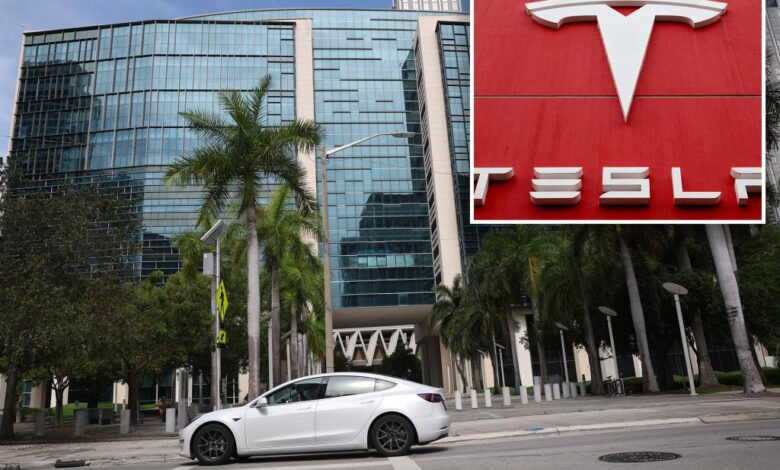
Tesla, the car company led by Elon Musk, has requested a federal court to dismiss the substantial damages awarded to victims of a fatal crash. The company argues that the jury was misled by the opposing lawyers who improperly brought up Musk during the trial. The $243 million award was given to the family of a 22-year-old student who was fatally thrown from a Tesla equipped with Autopilot features while stargazing. The jury found the speeding Tesla driver mostly at fault, but also held Tesla responsible due to faulty technology.
The case has significant implications for carmakers developing self-driving features, as it may set a precedent for holding manufacturers liable even when drivers are at fault. Tesla argues that the verdict could stifle innovation, harm road safety, and lead to unfair punishment for companies introducing new safety features.
Opposing lawyers are accused of introducing prejudicial evidence and suggesting that Tesla had concealed or lost crucial data related to the crash. Tesla admitted to not presenting the evidence earlier but denied any deliberate wrongdoing. Musk took a risk by allowing the case to go to trial as Tesla works to gain trust in its self-driving technology and plans to launch driverless Tesla robotaxis.
Despite several cases against Tesla being dismissed or settled before trial, this particular case resulted in a significant award for the victims’ families. Tesla is now seeking a new trial, the dismissal of the award, or a substantial reduction in damages.
The jury’s decision to hold Tesla accountable for the crash, even though the driver admitted fault, raises questions about the company’s technology and safety claims. European regulators have also raised concerns about Tesla’s driver assistance software, questioning whether it misleads drivers. Musk’s promises of advanced Autopilot features and Full-Self Driving capabilities have faced scrutiny for potentially misleading consumers.
Overall, the case highlights the challenges and risks associated with autonomous driving technology and the responsibility of manufacturers to ensure the safety of their products.