Tesla heads to Miami court for wrongful death trial involving Autopilot system
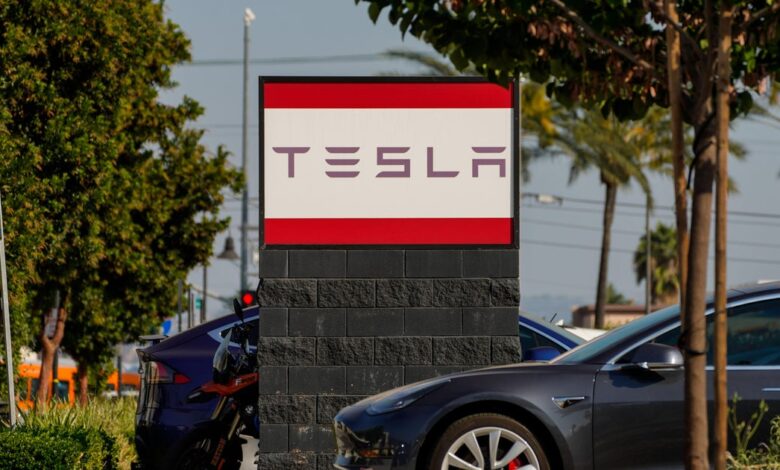
Tesla is heading to federal court in Miami to defend its Autopilot system in a wrongful death case involving the tragic death of a 22-year-old college student. The lawsuit, which was initially filed in April 2021 in the 11th Judicial Court of Florida in Miami-Dade County, is seeking punitive damages and compensation for medical expenses and other costs on behalf of Dillon Angulo and the family of Naibel Benavides Leon, who lost her life in the accident.
The fatal crash occurred in April 2019 when a Tesla Model S equipped with Autopilot technology collided with a parked vehicle in Key Largo, Florida, resulting in the death of Leon and severe injuries to Angulo. This case will be a significant test for Tesla, as the company faces challenges such as declining sales and stock price fluctuations following CEO Elon Musk’s involvement in the launch of the Department of Government Efficiency (DOGE).
According to court documents related to the case, the Tesla owner, George McGee, had activated the Autopilot feature of his 2019 Tesla Model S while driving on a rural road in Key Largo. McGee allegedly dropped his phone, causing him to lose sight of the road as he tried to retrieve it. As a result, his vehicle reportedly collided with a parked Chevrolet Tahoe truck at high speed, leading to the tragic outcome.
The key issue in this case is whether Tesla’s Autopilot system was defective and played a role in Benavides’ death. The plaintiffs’ lawyer, Todd Poses, argues that design flaws in the Autopilot system failed to detect obstacles like the parked truck, ultimately contributing to the fatal accident. However, Tesla maintains that the Autopilot feature does not make the car fully autonomous and that drivers are responsible for operating the vehicle safely even with Autopilot activated.
In a statement to CBS MoneyWatch, Tesla emphasized that the crash was caused by a distracted driver who was searching for his dropped cell phone and overriding the car’s system at the time of the accident. The company asserts that no technology existed in 2019 that could have prevented such a tragedy. As the trial unfolds, expert testimony from individuals like Mary Cummings, a professor of engineering at George Mason University, and McGee, the driver involved in the crash, is expected to shed light on the circumstances surrounding the incident.
In conclusion, the outcome of this case will have significant implications for Tesla’s Autopilot system and its reputation. As the trial progresses, it will be crucial to determine the extent of the Autopilot system’s capabilities and whether it played a role in the unfortunate loss of life. The court’s decision will undoubtedly impact future discussions around autonomous driving technology and the responsibilities of both manufacturers and drivers in ensuring road safety.