Texas Democrats return to state clearing way for new congressional maps
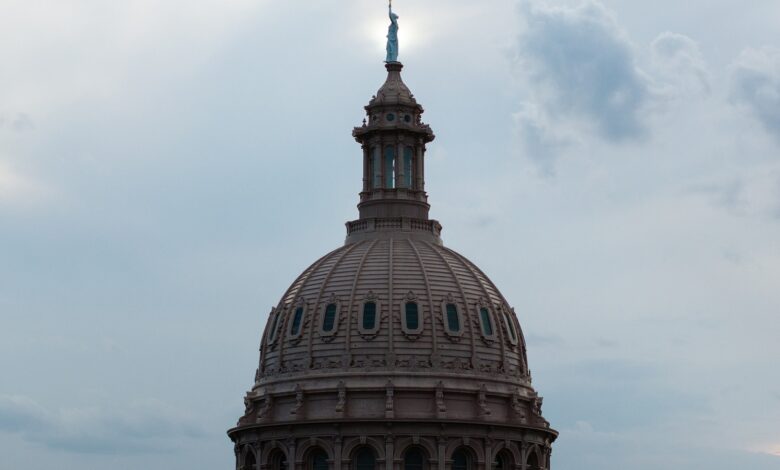
The Texas House of Representatives finally reached a quorum on Monday after a two-week standoff with Democrats who had fled Austin to prevent Republicans from passing new congressional maps. This standoff came to an end as Democrats returned to the capital, potentially paving the way for Republicans to approve changes that could result in them gaining up to five new House seats in the upcoming elections.
House Speaker Dustin Burrows confirmed that 120 members responded affirmatively for the roll call, including 32 Democrats, while 30 Democrats were listed as absent. The House referred the new version of the bill containing the proposed congressional maps to the House’s redistricting committee for further review. The House did not take any votes and adjourned until Wednesday.
Burrows also mentioned that civil arrest warrants remain in force for Democratic members who had prevented the House from reaching a quorum over the past few weeks. The Democrats did not specify any particular actions they plan to take, but they mentioned building a legal case against the discriminatory maps, which are expected to face legal challenges if passed.
In response to the developments, Democratic Caucus chair state Rep. Gene Wu stated that they had successfully thwarted the special session and were returning to Texas more determined to fight for fair representation. However, some Democratic representatives, like Aicha Davis, have vowed to continue their resistance and not help restore a quorum.
State Rep. Erin Zwiener emphasized the importance of building a strong legal case and persuading their GOP colleagues to do the right thing. She expressed disappointment in the lack of moral courage displayed by some colleagues and highlighted the impact of the proposed districts on voters.
As the Texas legislature enters a new phase of deliberations, Republicans are expected to push for the approval of the new maps. Meanwhile, in California, efforts are underway to counter Texas’ actions by introducing new congressional maps for voter approval. Republican legislators and anti-gerrymandering advocates are gearing up to protest what they view as an unfair process.
The political landscape in several states, including Illinois, New York, and Maryland, is also being influenced by Texas’ actions, with governors and lawmakers considering similar responses to changes in congressional maps. As the debate over redistricting continues across the country, the impact of these decisions on fair representation and democratic processes remains a central concern. The push for redistricting is gaining momentum in Republican-controlled states like Florida and Missouri, with reports indicating that they are considering redrawing congressional districts before the upcoming midterms. This move comes as the Trump administration is actively engaging with Indiana Republicans to discuss how they can support the President’s agenda.
The Trump administration has extended an invitation to Indiana Republicans to visit the White House next week for a meeting with senior officials and Cabinet secretaries. The focus of the meeting is expected to be on how Indiana lawmakers can collaborate with the administration to advance Trump’s priorities. Redistricting is likely to be a key topic of discussion, as the White House is urging Indiana state lawmakers to redraw congressional districts ahead of the 2022 midterms.
Vice President JD Vance recently visited Indiana to engage in discussions with lawmakers at the state capitol regarding the redistricting process. This indicates a concerted effort by the Trump administration to ensure that Republican-controlled states are aligning with the President’s agenda and optimizing their electoral strategies.
As the redistricting debate continues to unfold, it is clear that the Trump administration is actively involved in shaping the political landscape ahead of the midterms. The outcome of these discussions could have significant implications for the balance of power in Congress and the future of Republican representation in key states.
Overall, the push for redistricting in states like Indiana, Florida, and Missouri underscores the importance of strategic electoral planning for the Republican Party. By engaging with state lawmakers and actively shaping the redistricting process, the Trump administration is positioning itself for success in the upcoming midterms.
ABC News’ Hannah Demissie contributed to this report.