The cost to heat your home this winter is expected to increase. See how much.
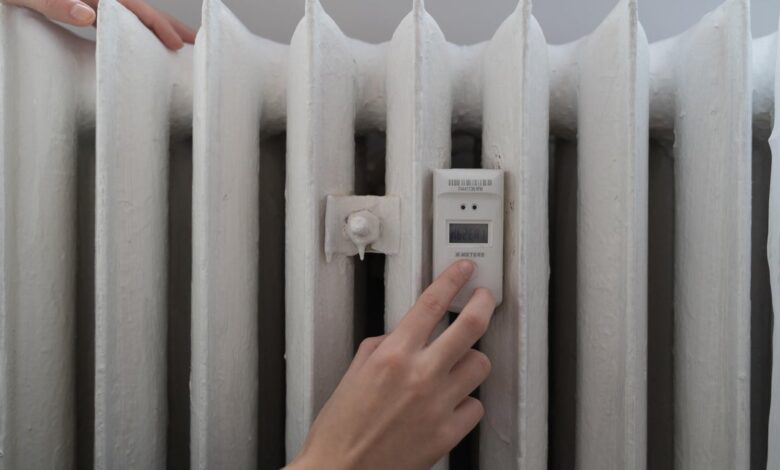
As winter approaches, Americans are bracing themselves for higher energy bills to heat their homes. A new study from the National Energy Assistance Directors Association (NEADA) predicts that the average energy bill will rise by 7.6% to $976 this cold weather season. Natural gas users could see an 8.4% increase, while electricity users could face a 10.2% hike in their bills.
The rising costs of electricity and natural gas are a result of increasing prices and demand. Inflation data from the Bureau of Labor Statistics shows a 6.2% increase in electricity prices compared to last year. The U.S. Energy Information Administration also forecasts an 18% rise in energy costs in the coming years.
Natural gas prices have surged by 13.8% from last year, outpacing inflation rates. However, a small percentage of households using heating oil and propane may see a decrease in their energy bills.
The spike in energy costs follows a summer of high air-conditioning usage due to warmer temperatures. This has compounded household strain, with the average summer electricity bill reaching $776 in 2025, the highest in over a decade.
As a result, more American households are falling behind on their energy bills, with energy arrearages increasing by 31% since the end of 2023. The rising energy costs are further burdening households already carrying record amounts of debt, with total household debt surpassing $18 trillion in the second quarter of 2025.
Several factors are contributing to the rise in energy prices, including the high cost of maintaining the grid, increasing electricity demand from data centers, and volatile natural gas prices. The conflict between Russia and Ukraine has also led to price fluctuations in energy markets.
To mitigate the impact of rising utility bills, experts recommend checking with utility companies for cost-saving programs, such as free home energy assessments and insulation discounts. Simple measures like unplugging appliances when not in use and lowering the home’s temperature can also help save on energy costs.
For low-income households struggling to pay their energy bills, the Low Income Home Energy Assistance Program (LIHEAP) provides financial assistance. This federally funded program helps eligible households cover their energy expenses during the winter months.
As Americans prepare for higher winter energy bills, it’s essential to explore ways to lower utility costs and seek assistance programs to alleviate financial strain during the colder months.