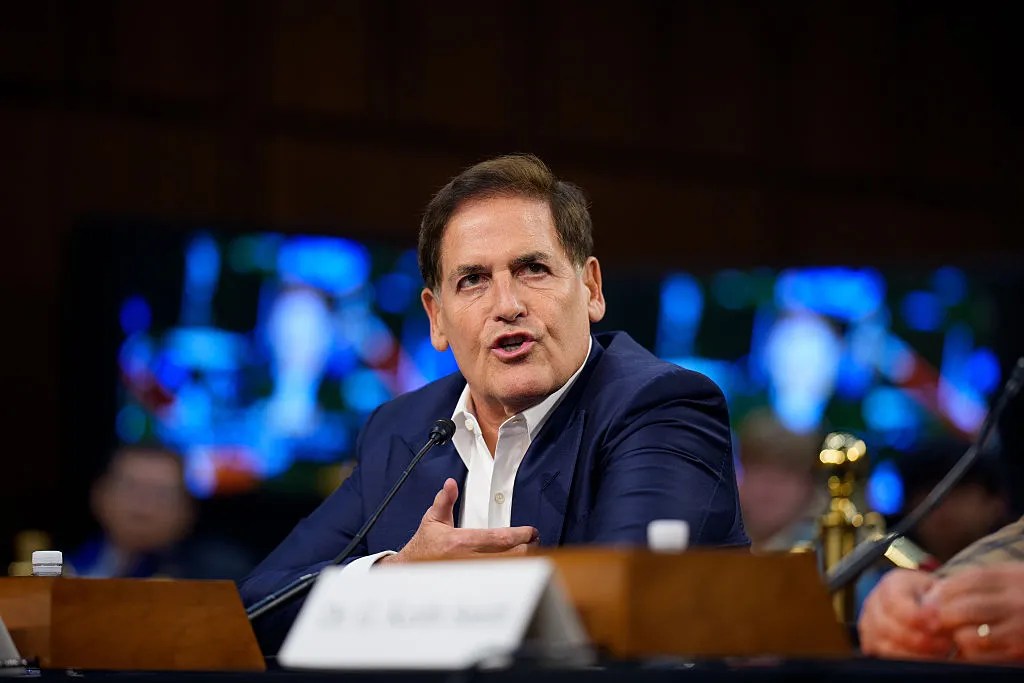
The crypto craze sweeping Washington and Wall Street

The rise of cryptocurrency has taken the world by storm, with Bitcoin leading the charge as the most popular digital asset. Earlier this year, over 35,000 Bitcoin enthusiasts gathered in Las Vegas for Bitcoin 2025, showcasing the growing interest in this decentralized form of currency. The event attracted a mix of high rollers and true believers, all excited about the potential of owning Bitcoin.
Michael Terpin, a prominent figure in the cryptocurrency community, emphasized the importance of owning at least one Bitcoin, predicting that its value could skyrocket to millions by the time one retires. Guy Malone compared Bitcoin to the Bible, stating that it has the power to change individuals just like the Bible does.
One common theme among attendees was their support for President Donald Trump, who they believe has been a strong advocate for cryptocurrencies. Vice President JD Vance addressed the crowd, proclaiming that with President Trump in office, crypto finally has a champion in the White House. The President signed the Genius Act, paving the way for major companies like Wal-Mart and Amazon to issue their own digital currencies.
Despite the growing popularity of cryptocurrencies, there is still a debate in Congress about how to regulate the industry. Amanda Fischer, a former SEC official, cautioned that investing in crypto is highly volatile and speculative. Unlike traditional investments like stocks, cryptocurrencies are not backed by tangible assets or businesses.
During the Biden administration, the SEC cracked down on the cryptocurrency industry, but the Trump administration has taken a more lenient approach, dismissing major cases. This shift has raised concerns about consumer protection and the need for proper regulation in the industry.
David Bailey, a crypto entrepreneur and CEO of Nakamoto, highlighted the importance of regulation in the cryptocurrency market. He emphasized that the industry is seeking laws that are fair and beneficial for all stakeholders, not just for crypto companies.
The rise of digital assets like Bitcoin has transformed the economy, with more businesses and individuals embracing this new form of currency. The recent surge in Bitcoin’s price to over $120,000 has attracted more investors and heightened interest in the industry. As the President’s stance on crypto has evolved, his family’s ventures in the crypto market have reportedly generated significant revenue.
Despite concerns about potential conflicts of interest, Bailey believes that the President’s support for crypto stems from a genuine belief in its potential. He dismissed the idea that the President is using his position to benefit personally from the crypto industry, attributing his support to a shared vision for the future of digital assets.
Overall, the growing acceptance of cryptocurrency and the potential for mainstream adoption have fueled optimism among investors and industry insiders. As digital assets continue to gain traction, it is clear that cryptocurrencies are here to stay and will play a significant role in shaping the future of finance. During the Bitcoin 2025 conference, Vice President Vance made a bold statement about the future of cryptocurrency and digital assets. He emphasized that these technologies, especially Bitcoin, are not just a passing trend but a permanent fixture in the mainstream economy. However, not everyone shares his optimism.
Amanda Fischer, a financial analyst, expressed her concerns about the rapid growth of cryptocurrency. She drew parallels to past financial crises, such as the subprime mortgage crisis of 2008 and the collapse of complex financial derivatives. Fischer warned that while these innovative financial products may seem promising at first, they can quickly spiral out of control and lead to catastrophic consequences. She fears that crypto may be heading down a similar dangerous path.
As the debate over the future of cryptocurrency continues, it is essential to consider both perspectives. While Vice President Vance sees crypto as a valuable asset that will revolutionize the economy, Fischer urges caution and emphasizes the importance of learning from past mistakes. The ultimate outcome of the crypto revolution remains uncertain, but one thing is clear: the stakes are high, and the consequences could be profound.
For more information on this topic, be sure to check out the latest updates from Mark Hudspeth, Madeleine May, and Dan Ruetenik. And don’t forget to stay informed about the latest developments in the world of cryptocurrency and digital assets. The future of finance is evolving rapidly, and it’s crucial to stay ahead of the curve.