The dirty truth about JPMorgan’s ‘debanking’ of Trump — and why legislation is needed
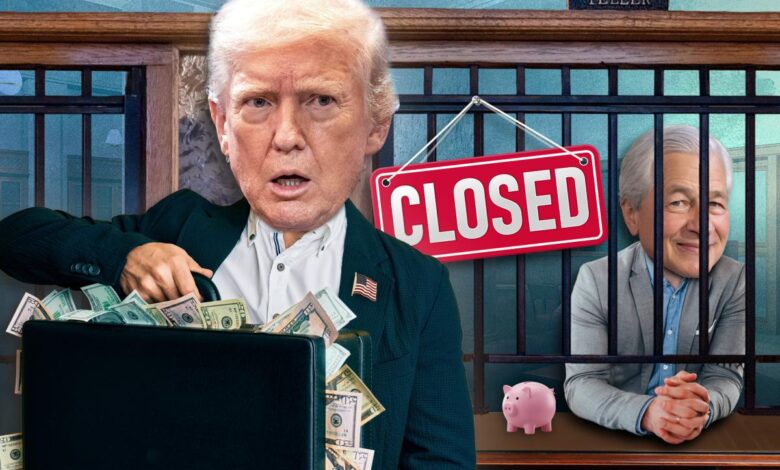
JPMorgan’s decision to “debank” Donald Trump remains shrouded in mystery, but the events leading up to it five years ago deserve a closer examination. The need for legislation to prevent such actions in the future is evident.
In a recent development, the former president sued JPMorgan and CEO Jamie Dimon for abruptly closing approximately 50 of his accounts in February 2021, shortly after the end of his first term. JPMorgan acknowledged informing Trump to seek another institution for his business dealings.
The reasons behind Trump’s debanking are unclear. Despite denying political or religious bias in their decisions, JPMorgan and Dimon have not provided a concrete explanation for their actions. The involvement of banking regulators, who raised concerns about “reputational risk” following the Capitol riot, further complicates the situation.
The notion of “reputational risk” as a basis for debanking raises concerns, especially when applied indiscriminately. While banks have a responsibility to prevent illegal activities like sex trafficking, the selective application of such measures, as seen in the case of Trump, raises questions about the motives behind debanking decisions.
 debanking Dirty JPMorgans legislation needed Trump Truth