The End of a Century-Old Trade Rule Is Set to Cause Holiday Mayhem
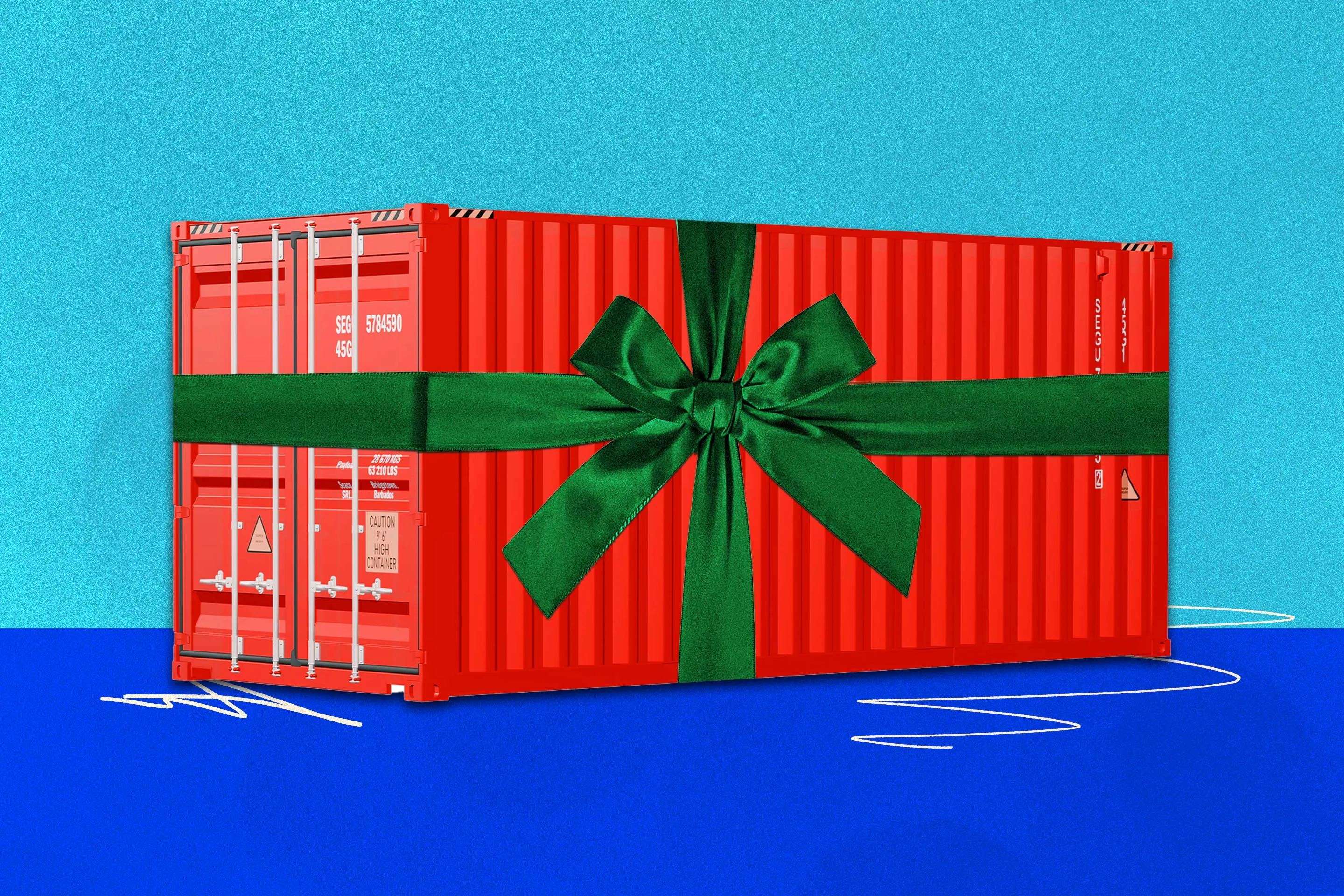
The 2025 holiday shopping season is already proving to be a challenging one for consumers and retailers alike. With economic uncertainty looming, shoppers are tightening their wallets and looking for ways to make their holiday spending go further. Generative AI technology is stepping in to help shoppers find the perfect gifts for their loved ones, with some AI systems even able to complete the purchase for them.
However, behind the scenes, a major shift in U.S. trade policy is causing disruptions that are impacting both businesses and consumers. The removal of the de minimis rule, which allowed goods valued under $800 to enter the country duty-free and with little customs oversight, has led to a significant increase in import fees and processing bottlenecks. As a result, millions of additional packages per day are now subject to import fees, leading to shipping delays and surprise customs bills for shoppers.
Large retailers and established e-sellers were able to prepare for the policy change by moving inventory into the U.S. ahead of time, helping to keep prices relatively stable. However, small businesses and independent sellers have been hit hard by the new customs fees, forcing them to pass those costs on to customers. This has led to a significant increase in the price of purchases, with some buyers receiving surprise customs bills in the triple digits.
The process of paying these unexpected fees can be complex and frustrating for shoppers. Couriers may withhold packages until the import duty is reimbursed, and administrative errors can lead to further delays at customs. Small businesses are struggling to navigate the new trade regulations, leading to mistakes and shipment hold-ups.
As a result of these changes, shoppers may notice fewer options when shopping online this holiday season. Niche online stores that once offered unique and specialty items from around the world are now facing challenges in complying with the new regulations, leading to a decrease in available products.
Overall, the 2025 holiday shopping season is shaping up to be a difficult one for both consumers and retailers. With economic uncertainty and trade policy changes creating challenges, shoppers may need to put in extra effort to find the right gifts and ensure they arrive on time. The landscape of online shopping has been rapidly changing, with many merchants halting sales to the U.S. altogether due to new tariffs and rising shipping costs. Those who still allow U.S. customers to browse their products are often implementing exorbitant shipping fees to deter purchases.
One common perk that is becoming harder to find is free returns. In the past, online retailers offered free returns to ease the minds of shoppers hesitant to buy clothing or shoes without trying them on first. However, with the increasing costs of shipping items back to the U.S., many e-sellers are reevaluating their returns policies, leaving customers to bear the cost of any buyer’s remorse.
Small business owners are also feeling the impact of these changes. Many were unaware of the benefits they were receiving from the de minimis rule, which allowed for fast logistics and no customs duties on shipments. Now, they are facing new challenges and increased costs that are affecting their bottom line.
To navigate these uncertain waters, businesses are exploring various strategies. Some are considering switching suppliers to countries like Canada or Mexico to take advantage of tariff exemptions under the USMCA. Others are raising free shipping minimums, offering bundles and value sets, or implementing gift-with-purchase deals to boost sales without raising prices on individual products.
Apothékary, a wellness brand, adjusted its model by removing free shipping on orders under $99 after realizing that smaller purchases were actually costing them money. Stonemaier Games, a board game company, now offers customers an optional “tariff offset gift card” at checkout to help cover the 30% tariff they must pay on imported products.
As the holiday season approaches, it is recommended that shoppers review their carts carefully before checking out to avoid hidden import fees upon delivery. Look for terms like “delivery duty paid” (DDP) to ensure that the seller is covering all import costs. It may also be a good time to explore the resale market for potential deals.
In this rapidly evolving online shopping environment, both sellers and buyers are adapting to new challenges and finding creative solutions to navigate the changing landscape of international trade.