The Fed cut its interest rate, but mortgage costs went higher
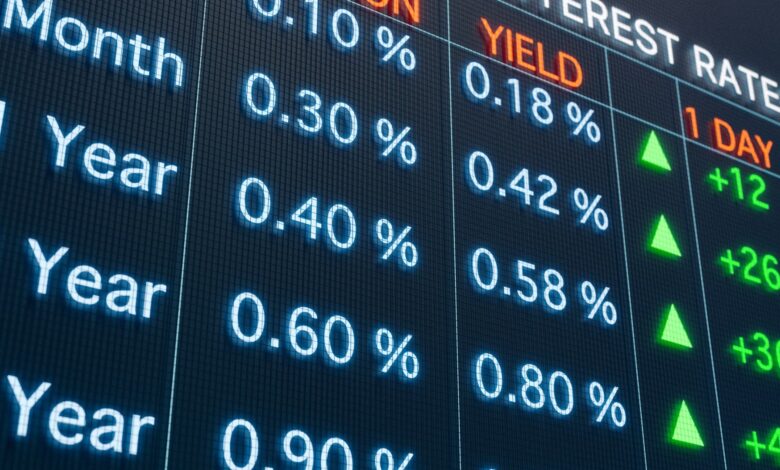
Bond traders were eager for more clarity from the Fed regarding its future monetary policy plans, but Powell’s comments left them uncertain about the central bank’s intentions. The lack of a clear signal from the Fed led to increased volatility in the bond market, with investors quickly adjusting their positions in response to changing expectations.
The recent spike in longer-term Treasury yields reflects investors’ concerns about the Fed’s decision to cut interest rates amid a backdrop of rising inflation. With inflation running above the Fed’s 2% target and the economy showing signs of stability, some bond traders worry that the central bank may be underestimating the risks of overheating the economy. The Fed’s updated economic projections, which show policymakers expecting slightly faster inflation next year, only added to these concerns.
Peter Boockvar, chief investment officer at One Point BFG Wealth Partners, pointed out that traders of longer-dated bonds are particularly sensitive to changes in inflation expectations. The recent surge in longer-term Treasury yields is a clear indication that bond investors are skeptical of the Fed’s decision to cut rates in the face of rising inflation. Boockvar warned that if longer yields continue to rise, it could signal a broader loss of confidence in the Fed’s ability to manage inflation effectively.
Looking ahead, investors will be closely monitoring economic data releases and Fed communications for any clues about the central bank’s future policy direction. The bond market remains on edge, with traders bracing for further volatility as they navigate the uncertainties of a changing economic landscape. Following the recent rate cut by the Federal Reserve, analysts noted that it was a similar move to the one seen in September of last year. Despite multiple rate cuts by the Fed since early 2024, the 10-year Treasury note yield has remained relatively unchanged. This stability in longer-term yields has implications for various sectors, including mortgage loans for homes and autos, as well as credit card costs.
The rise in mortgage rates following the Fed rate cut this week comes after reaching a three-year low prior to the central bank’s action. Homebuilder Lennar reported weaker-than-expected revenue for the third quarter and provided cautious guidance for deliveries in the current quarter. The company cited challenges in the housing market and elevated interest rates as contributing factors to their performance.
While the stock market may react swiftly to a rate cut, bond investors focus on the bigger picture to make informed decisions. Chief economist Chris Rupkey emphasized the importance of understanding the central bank’s future rate cut projections and the neutral rate on the Fed funds rate to determine the ultimate outcome of the rate cuts.
International factors also play a role in influencing longer-term U.S. yields, as global counterparts are also experiencing upward movement. Monitoring overseas economic developments and actions by foreign central banks is crucial in understanding the broader economic landscape.
However, Rupkey cautioned investors about celebrating declines in bond yields, as they often indicate an impending recession. He attributed the recent increase in yields to lower unemployment filings, suggesting a reduced risk of an economic downturn in the near future.
In conclusion, while the bond market typically responds to negative news, it is essential to consider the broader economic implications of yield movements. Understanding the complex interplay between interest rates, economic indicators, and market dynamics is crucial for investors navigating the current financial landscape.
— CNBC’s Fred Imbert and Diana Olick contributed to this report.