The Fed is the most divided it’s been in more than six years
Fed Decision to Lower Interest Rates Met with Divisive Response
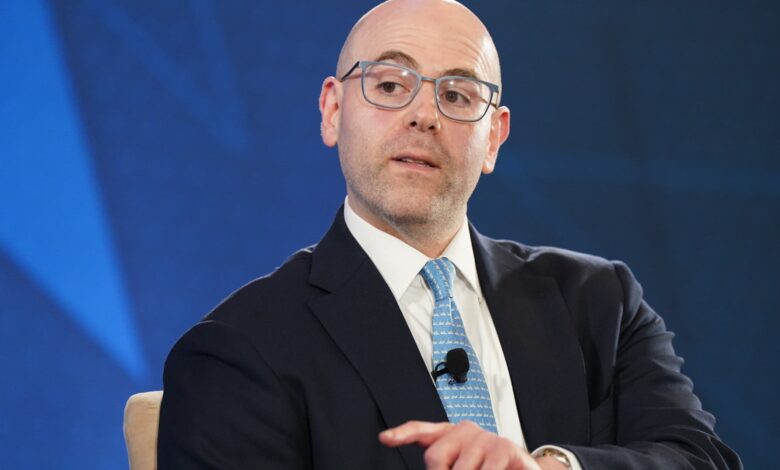
Federal Reserve Governor Stephen Miran speaks with CNBC during the Invest in America Forum on Oct. 15, 2025.
CNBC
On Wednesday, the Federal Reserve announced its decision to lower the federal funds rate by a quarter percentage point, marking the most divisive move by the central bank in over six years.
Chicago Fed President Austan Goolsbee and Kansas City Fed President Jeffrey Schmid were among the three dissenters who voted against the rate cut. Federal Reserve Governor Stephen Miran, the newest member, once again pushed for a half-point cut. This marks Miran’s third consecutive dissent, as he had advocated for a half-point rate cut in both the October and September meetings. Schmid had also opposed a decrease in rates in the October meeting.
The last time the Federal Reserve witnessed three dissents during a meeting was in September 2019.
Additionally, there were four nonvoting participants who expressed dissent through their interest rate forecasts, projecting rates to remain at the previous level of 3.75 percent to 4 percent by the end of the year.
“The ‘hard dissents’ from voting members, as well as the ‘soft dissents’ reflected in the interest rate forecasts, highlight the hawkish stance within the Fed. The inclusion of ‘extent and timing’ language in the statement regarding future policy decisions is likely an attempt to appease this bloc,” stated Kay Haigh, global co-head of fixed income and liquidity solutions at Goldman Sachs Asset Management.
“While the possibility of future rate cuts remains open, any decision will likely hinge on the strength of the labor market,” Haigh added.
However, Christopher Rupkey, chief economist at FWDBONDS, cautioned against reading too much into the dissenting views on rate cuts, suggesting that upcoming changes within the Federal Reserve leadership could lead to a different approach next year.
“The dissenting voices opposing a quicker pace of rate cuts today do not necessarily dictate the future trajectory. With a new Fed Chair expected in 2026, and the likelihood of additional changes within the Fed’s composition, we may see more rate cuts next year to align with the economic agenda,” Rupkey explained.
— CNBC’s Jeff Cox contributed reporting.
Correction: The last time there were three dissents during a Fed meeting was in September 2019. An earlier version misstated the month and year.