The Fed issues its latest interest rate decision Wednesday. Here’s what to expect
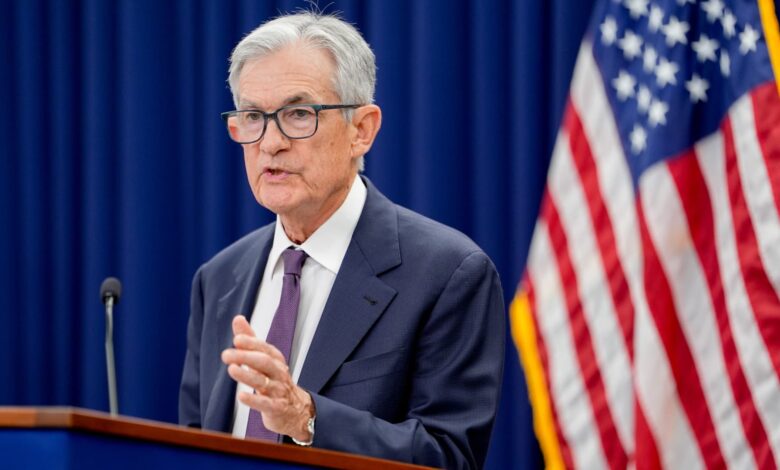
The Federal Reserve is facing a challenging decision this week as it grapples with various factors affecting the U.S. economy. With the ongoing tensions in the Middle East, concerns about inflation, and mixed signals from the labor market, the Fed is expected to maintain its key interest rate at 3.5% to 3.75% during its upcoming meeting.
Market expectations indicate that there is a slim chance of a rate cut at this meeting or in the near future. Futures pricing suggests that any potential easing may not occur until at least September, with a single cut being more likely in October.
Despite the uncertainty surrounding the global geopolitical landscape, Chair Jerome Powell and his colleagues are unlikely to make any significant changes to their economic and rate projections. The U.S. economy remains relatively stable, which means that the bar for further rate cuts is quite high.
Before the recent escalation in tensions, traders were already anticipating a rate cut later in the year. However, the impact of the conflict on oil prices and inflation has altered market expectations. All eyes will be on Powell’s messaging during the meeting, as markets look for clues about the future path of interest rates.
Former Fed Vice Chair Roger Ferguson expects the committee to be cautious in its post-meeting statement, particularly regarding inflation, unemployment, economic growth, and future policy decisions. The focus is likely to be on how the Fed views the balance of risks moving forward.
Investors will also be paying close attention to the updates to the Summary of Economic Projections, which includes the Fed’s “dot plot” grid showing officials’ expectations for interest rates. While some minor adjustments to economic growth and inflation forecasts may occur, the overall rate outlook is expected to remain unchanged.
Despite external pressures, including political interference from President Trump, the Fed is expected to maintain its independence and focus on its dual mandate of price stability and maximum employment. The ongoing tensions in the Middle East and uncertainties in the economic outlook will continue to influence the Fed’s decisions in the coming months.