The federal government is heading toward a shutdown. Here’s what economists say would be the impact.
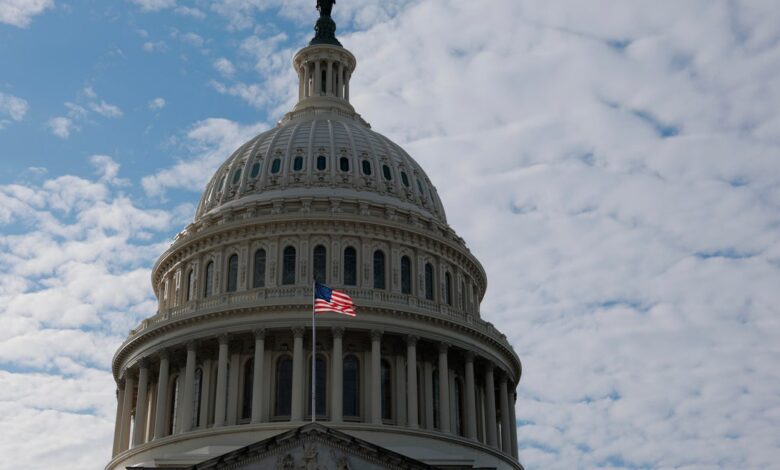
The looming threat of a government shutdown is once again on the horizon, with lawmakers deadlocked over funding past Sept. 30. This deadlock could lead to a halt in pay for hundreds of thousands of federal workers and disrupt essential services. The financial impact of a shutdown is significant, with each week costing the U.S. economy about $7 billion, according to a recent analysis.
Government shutdowns are not uncommon in the U.S., with the last one occurring over 34 days from December 2018 into January 2019. The Bipartisan Policy Center notes that shutdowns are triggered when Congress fails to pass a full-year spending bill or a continuing resolution to fund the government for the pending fiscal year, which begins on Oct. 1.
The repercussions of a government shutdown extend beyond just federal workers. Federal agencies are typically prohibited from spending money during a shutdown, leading to the suspension of activities at many agencies. Essential workers may be required to continue working without pay until the funding gap is resolved. While some federal employees may eventually receive back pay, others could face financial strain during the shutdown.
The economic impact of a shutdown is far-reaching. Delayed federal procurement on goods and services could have ripple effects throughout the economy. Investor and consumer confidence may also be undermined, particularly at a time when the U.S. economy is already facing challenges. Markets could be rattled, and consumer sentiment could be impacted by the uncertainty created by a shutdown.
Social Security, Medicare, and Medicaid benefits are considered mandatory spending and would not be impacted by a government shutdown. However, some services provided by the Social Security Administration could be disrupted if a shutdown occurs.
Essential services such as air traffic control and TSA operations would continue during a shutdown, although workers in these sectors may not receive immediate pay. The U.S. Postal Service, being a self-funded agency, would continue to operate as usual.
In previous shutdowns, services such as FDA inspections and access to National Parks were suspended. Mortgage processing could also face delays due to the closure of the federal flood insurance program.
Overall, a government shutdown at this economic juncture poses a significant risk, impacting government workers, federal contractors, and the broader economy. The uncertainty created by a shutdown could further exacerbate existing economic challenges and hinder monetary policy decisions. It is crucial for lawmakers to reach a resolution to avoid the potentially damaging consequences of a shutdown.