The low-end consumer is about to feel the pinch as Trump restarts student loan collections
Student Loan Crackdown Could Take Billions from Consumers’ Pockets
Wall Street is sounding the alarm about the U.S. Department of Education’s recent crackdown on student loan repayments, warning that it could have a significant impact on consumers, particularly low-income Americans. Under President Donald Trump’s administration, the department has resumed collections on defaulted student loans, marking the first time in approximately five years that borrowers could face wage garnishment or other penalties for falling behind on their payments.
According to JPMorgan, the resumption of collections could result in a collective reduction of disposable personal income by anywhere between $3.1 billion and $8.5 billion per month, based on various interest rates and repayment plan lengths. Senior U.S. economist at the bank, Murat Tasci, who is also a Cleveland Federal Reserve alum, noted that if this reduction were to occur in a single quarter, it could lead to a year-over-year decrease of between 0.7% and 1.8% in disposable personal income.
This policy change comes at a time when consumers are already grappling with the effects of Trump’s tariff plan and rising inflation. These factors, coupled with the potential impact of student loan collections, have contributed to a decline in consumer sentiment, as evidenced by recent data from the University of Michigan.
Chief economist at LPL Financial, Jeffrey Roach, expressed concerns about the cumulative strain on consumers, stating, “You have a number of these pressure points rising. Perhaps in aggregate, it’s enough to quash some of these spending numbers.” Similarly, Bank of America analyst Mihir Bhatia highlighted the potential repercussions on vulnerable consumer groups, particularly those in the subprime segment.
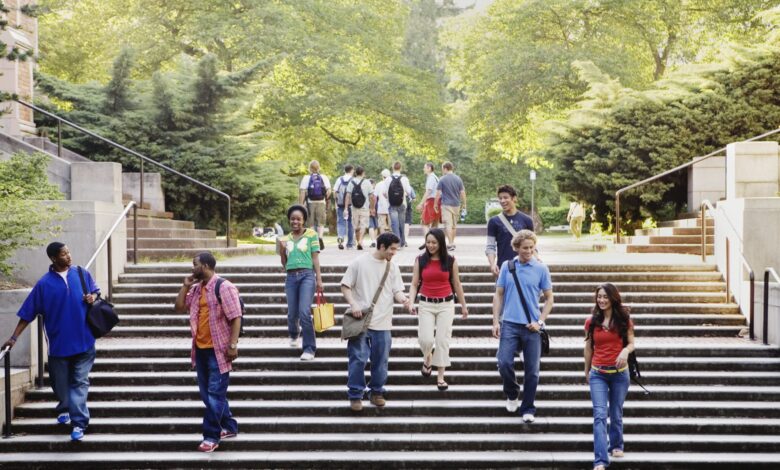
While student loans represent only 9% of total outstanding consumer debt, excluding mortgages pushes this share up to 30%. The total outstanding student loan debt stands at $1.6 trillion, with a substantial increase of half a trillion dollars over the past decade. The New York Fed estimates that nearly one in four borrowers are currently behind on their payments, and the share of delinquent debt holders spiked to 8% following the federal government’s reporting of delinquent loans in the first quarter of this year.
It’s important to distinguish between delinquency and default, as the consequences of defaulting on a loan, such as wage garnishment, are more severe. JPMorgan projected that if seriously delinquent borrowers were to default, nearly a quarter of all student loans would fall into this category. While some borrowers may not have wages or Social Security earnings to garnish, the potential impact on discretionary spending remains a concern.
As Wall Street contemplates the broader economic implications of the student loan crackdown, there is uncertainty about whether the economy can avoid a recession. Despite hopes that consumer spending will offset the effects of higher tariffs and a weakening labor market, the looming threat of reduced disposable income raises concerns.
However, LPL’s Roach suggests that the impact on the macroeconomic landscape may be limited, as high-income earners have been the primary drivers of post-pandemic spending. He noted, “It’s hard to say if there’s a consensus view on this yet. But I would say the student loan story is not as important as perhaps some of the other stories, just because those who hold student loans are not necessarily the drivers of the overall economy.”
In conclusion, the resurgence of student loan collections could have far-reaching consequences for consumers, particularly those already facing financial challenges. As policymakers and economists assess the potential economic fallout, it remains to be seen how this latest development will shape the financial landscape in the coming months.