The story of whole milk’s return to U.S. schools
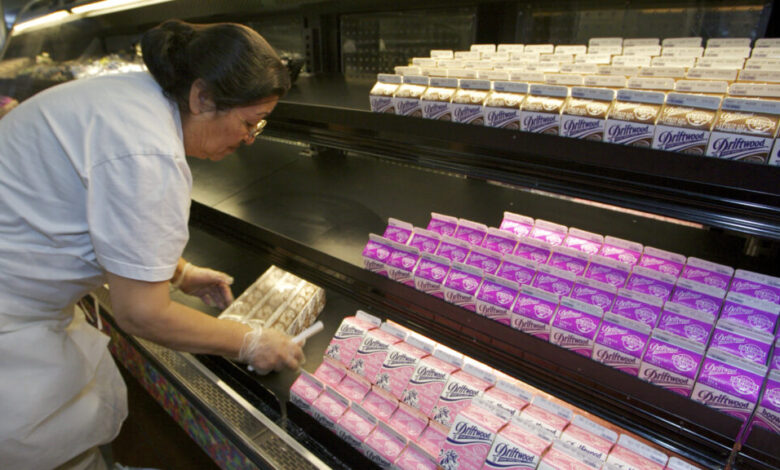
The Whole Milk for Healthy Kids Act has paved the way for whole milk to make a comeback in America’s schools, marking a significant shift from the restrictions imposed by the Healthy, Hunger-Free Kids Act in 2012. This new bill, expected to be signed into law by President Trump, will allow schools to offer whole milk and reduced-fat milk to students once again.
In a surprising twist, the bill also includes provisions for nondairy milk options to be available in schools. This includes fortified soy milk and other nondairy alternatives that meet the nutritional standards of milk. Additionally, schools will now be required to offer these nondairy options to students who provide a note from their parents, eliminating the previous requirement of a doctor’s note.
Nutrition experts have welcomed this addition to the bill, although they find it somewhat unusual. Erica Kenney, an associate professor of public health nutrition at the Harvard T.H. Chan School of Public Health, commented on the current state of affairs, stating, “Everything’s just so weird these days.”
The inclusion of nondairy milk options in the Whole Milk for Healthy Kids Act is seen as a positive step forward for the dairy industry. By allowing schools to offer a variety of milk choices, students will have more options to meet their nutritional needs and preferences.
Overall, the passage of this bill signifies a shift towards a more flexible approach to school milk options. With the potential for both whole milk and nondairy alternatives to be available, students will have a wider range of choices to support their health and well-being.