‘The Truth About Jussie Smollett?’ Director on Actor’s Future Career
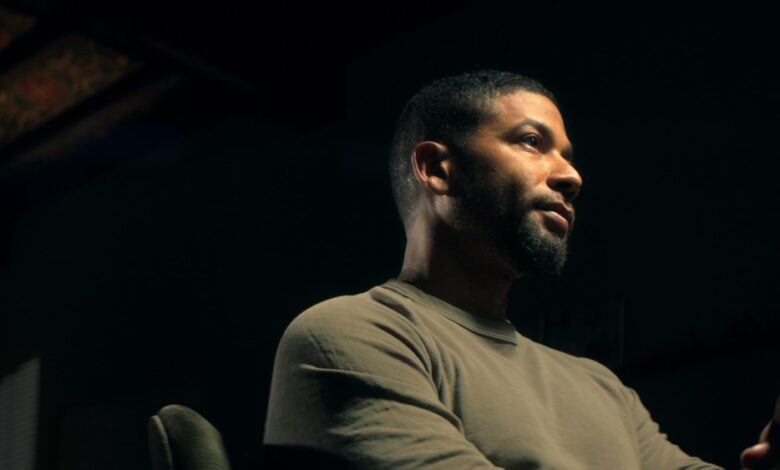
The Netflix documentary “The Truth About Jussie Smollett?” delves into the events surrounding the alleged hate crime that took place on January 29, 2019, involving the former “Empire” actor in the streets of Chicago. The film features interviews with police, lawyers, journalists, investigators, and Smollett himself as they revisit the incident that gained worldwide attention. Initially believed to be a victim of a violent hate crime, Smollett’s story took a turn when evidence surfaced suggesting that the attack was staged.
Director Gagan Rehill takes a unique approach in the documentary by presenting viewers with conflicting narratives and court evidence, allowing them to form their own opinions on the truth behind the incident. With a focus on presenting multiple perspectives, the film aims to explore the complexities of the case rather than provide definitive answers.
The documentary recounts Smollett’s claim that he was attacked by two white men who hurled racial slurs, poured a chemical substance on him, and wrapped a rope around his neck after he purchased a sandwich from a Subway store. However, the narrative shifted when surveillance images revealed the alleged perpetrators to be Nigerian American brothers who had connections to the actor. Subsequent evidence suggested that Smollett had orchestrated the attack and paid the brothers to carry it out.
Despite initial charges being dropped, Smollett was later indicted and convicted on five felony counts of disorderly conduct after a high-profile trial in 2021. He was sentenced to probation and fines, but the conviction was later reversed on procedural grounds in 2024. The actor continues to deny staging the attack and reached a settlement with the city of Chicago in 2025.
In an interview with Variety, Rehill discusses the challenges of navigating the ambiguous nature of the case and the broader themes addressed in the documentary. The film examines society’s relationship with the truth and the impact of societal divisions on perceptions of reality, particularly in the context of the Black Lives Matter movement.
With a cast of larger-than-life characters, including Smollett, law enforcement, and the Nigerian American brothers, the documentary presents a range of perspectives that challenge the notion of reliable narrators. While addressing the question of whether any subjects were paid to participate, Rehill emphasizes that Smollett was not compensated for his involvement.
Despite being released at a time when Smollett is seeking to revive his career in acting, directing, and music, Rehill clarifies that the documentary is not intended to serve as a platform for his rehabilitation. Instead, the film offers viewers the opportunity to form their own conclusions and make sense of the complexities surrounding the case.