The U.S. is losing thousands of manufacturing jobs, analysis finds
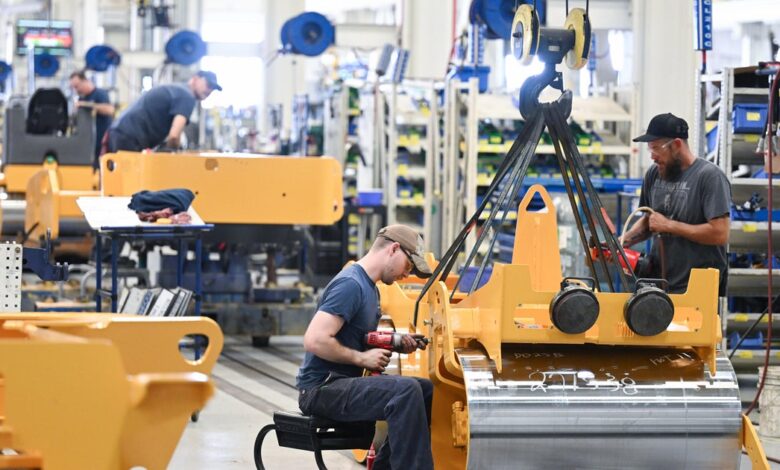
Manufacturers in the United States are facing a challenging time as they are cutting thousands of jobs despite President Trump’s efforts to revitalize the industry. The latest data from the Center for American Progress (CAP) shows that 12,000 manufacturing jobs were lost in August, with a total of 42,000 jobs being shed since April. This decline is attributed to the Trump administration’s implementation of steep tariffs, strict immigration policies, and the passing of a tax and spending package that adversely affects renewable energy companies.
Overall, manufacturing employment in the U.S. has decreased by 33,000 jobs in 2025, with most of the losses occurring in companies that produce durable goods like cars, household appliances, and electronics. This trend of job loss in the manufacturing sector has been ongoing for the past six decades, with the industry representing about 34% of total employment in 1960, peaking at 19.5 million jobs in 1970. As of August this year, 12.7 million Americans were employed in manufacturing.
The uncertainty surrounding U.S. tariffs and trade policies has put manufacturers in a difficult position, leading to increased costs and hesitation in hiring new employees. The ongoing legal challenges to the Trump tariffs have further added to the uncertainty, making it challenging for manufacturers to plan and invest for the future. This has resulted in automakers announcing nearly 5,000 job cuts in July, and the retail sector experiencing layoffs and store closures.
The crackdown on U.S. immigrants by the Trump administration is also impacting hiring in manufacturing, as some industries heavily rely on immigrant labor. The recent detention of immigrants at a Hyundai plant in Georgia and other worksite enforcement operations have further exacerbated the situation. Additionally, long-term factors such as automation and increased labor productivity have also contributed to the decline in manufacturing jobs.
Despite the challenges faced by the manufacturing industry, the White House has not responded to inquiries regarding the job losses. The uncertainty surrounding tariffs, immigration policies, and automation continues to impact manufacturers, making them reluctant to expand their workforce. As the industry grapples with these issues, it remains to be seen how policymakers and businesses will navigate the changing landscape of American manufacturing.