The Ultimate Guide to AI in Construction in 2025
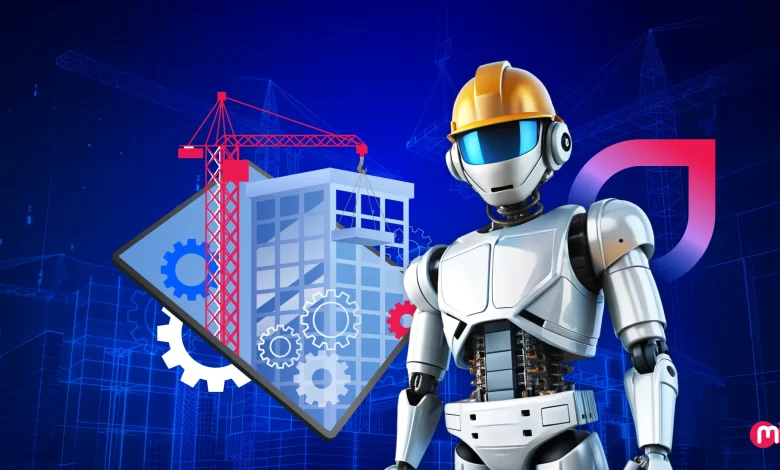
AI is revolutionizing the construction industry, transforming traditional workflows from design and planning to safety and resource management. The impact of AI in construction is significant, offering innovative solutions to enhance safety, efficiency, and project management. With the help of AI, projects are planned, executed, and maintained in a more streamlined and efficient manner.
Many construction firms are now turning to specialized AI ML development companies to implement transformative AI solutions. These solutions automate machinery, streamline construction processes, and provide predictive insights to forecast potential issues. By eliminating human error and reducing costs, AI in construction enables smart decision-making based on data-driven insights.
According to recent statistics, the market size of AI in construction was valued at $2.5 billion in 2022 and is expected to grow at a CAGR of 20% by 2032. This growth indicates increased efficiency and productivity through optimized product scheduling, resource allocation, and task management, leading to reduced timelines and costs.
Key Takeaways:
– AI bridges the gap between project planning and on-site execution, transforming data into actionable insights for improved efficiency, safety, and profitability.
– Benefits of AI in construction include better project management, reduced costs, accurate timeline estimation, proactive risk management, and data-driven decision-making.
– Real-time use cases of AI in construction provide value throughout the entire project lifecycle.
Examples of How to Use AI in Construction:
1. AI for Design and Planning: AI-powered Building Information Modeling (BIM) streamlines processes and enhances decision-making in design and planning stages.
2. AI in Project Management: Advanced tools analyze photo and video footage from work sites to track progress and productivity of crew members.
3. AI in Project Planning: AI-powered drones capture aerial views of construction sites to detect deviations and address potential issues early.
4. Predictive Maintenance: AI analyzes sensor data to detect anomalies and prevent equipment issues.
5. AI in Bidding and Negotiating: AI streamlines workflows, reduces turnaround times, and enhances accuracy in bidding and negotiation processes.
6. Enhanced Communication with AI: AI-powered tools facilitate collaboration among team members and stakeholders, regardless of location.
7. Boost Job Site Productivity with AI: AI solutions improve project completion, safety, and resource allocation on job sites.
AI Use Cases in the Construction Industry:
– Preconstruction: AI improves design development, contract selection, risk analysis, scheduling, permitting, and other preconstruction activities.
– Construction: AI-based predictive analytics anticipate issues, improve project execution, and enhance resource management during construction.
– Post Construction: AI quantifies risk possibilities and analyzes historical and real-time data to add value after construction is complete.
In conclusion, AI is a transformative force in the construction sector, improving schedules, preventing accidents, and empowering teams to build more efficiently, safely, and sustainably. By adopting AI development services, construction firms can unlock data-driven insights, automate processes, and gain a competitive edge. The future of AI in construction is about augmenting human expertise and knowledge to build a better future today.