There’s another energy market that may get hit harder than oil by Strait of Hormuz closure
The recent closure of the Strait of Hormuz has caused a significant disruption in global energy markets, particularly impacting the liquefied natural gas (LNG) market. Unlike crude oil, LNG is more difficult to transport, and production is heavily concentrated in specific regions.
Approximately 20% of global LNG flows through the Strait of Hormuz, with the majority originating from Qatar. Following an Iranian drone attack last week, Qatar suspended its LNG production, leading to a surge in global gas prices. European natural gas prices rose by 63% last week, while Asian prices reached $23.40/mmbtu, as countries in Asia scrambled to make up for lost Qatari cargoes.
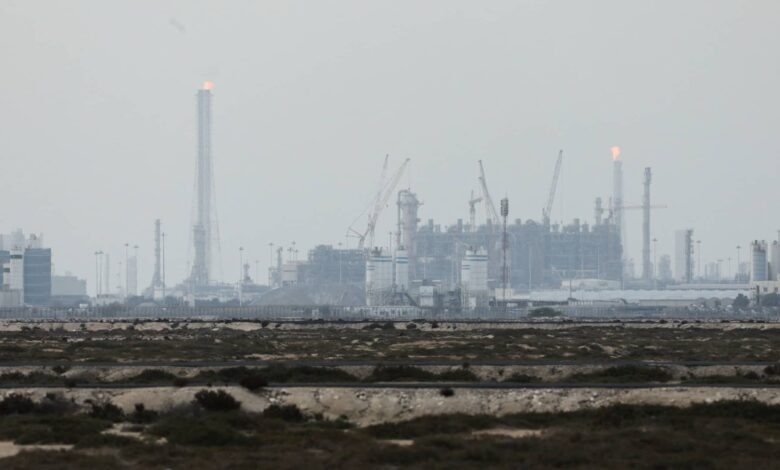
Unlike crude oil, which can be rerouted through pipelines, there is limited infrastructure for transporting gas long distances. This makes the LNG market more vulnerable to disruptions, as seen in the current situation in Qatar. Alex Munton, director of global gas and LNG research at Rapidan Energy, highlighted the challenges of restarting LNG production at Qatar’s Ras Laffan facility once the crisis in the Strait of Hormuz is resolved.
Rapidan Energy predicts that LNG exports from the region will not resume until there is 100% certainty of safe passage through the Strait. Restarting LNG operations is a complex and time-consuming process, as it involves industrial cooling methods that cannot be easily ramped up or down. Munton emphasized the long-term impact of Qatar’s LNG production outage on global supply and markets, cautioning against underestimating the duration of the disruption.
The United States is the largest LNG exporter globally, but with production already at maximum capacity, any further disruptions could lead to demand destruction. Munton warned that escalating hostilities, including additional attacks on Qatar’s LNG infrastructure, could have severe long-term consequences. He highlighted Qatar’s vulnerability to potential attacks from Iran, noting that the Ras Laffan complex is a prime target due to its centralized LNG production facilities.
In response to the current situation, QatarEnergy has postponed its expansion plans for gas facilities until 2027. This decision reflects the uncertainty surrounding the security of LNG infrastructure in the region. The ongoing crisis in the Strait of Hormuz serves as a stark reminder of the fragility of global energy supply chains and the need for strategic planning to mitigate future disruptions.