These 40 airports will be impacted by the FAA’s capacity cuts and flight cancellations
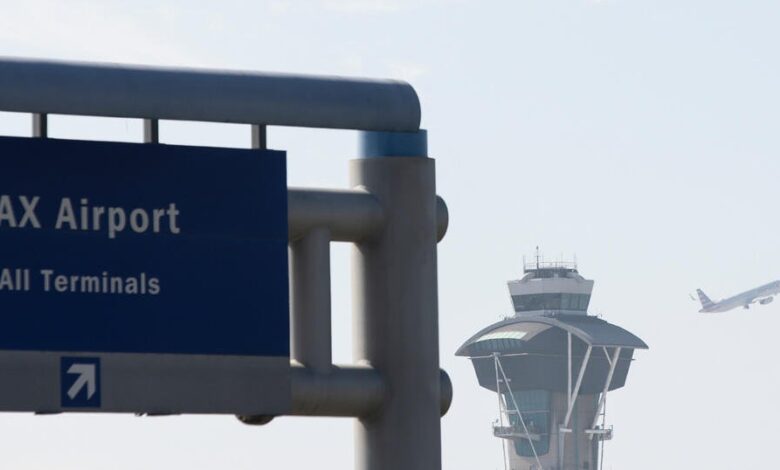
The Federal Aviation Administration’s recent announcement to reduce airline capacity in response to the government shutdown has caused concern among travelers and industry experts. The plan, which involves cutting air traffic in 40 “high-volume” areas by 10%, will impact some of the busiest airports in the country, including Atlanta, Dallas, New York City, and Los Angeles.
Transportation Secretary Sean Duffy revealed that the cuts in air traffic control will be implemented gradually, with the full 10% reduction expected to be in place by next week. This decision comes as a result of shortages in air traffic controllers who are currently working without pay due to the government shutdown. The FAA issued an emergency order outlining the details of the plan, which will begin at 6 a.m. local time on Friday.
Among the list of airports affected by the capacity reduction are major passenger hubs like Hartsfield-Jackson Atlanta International, Dallas/Fort Worth International, and Los Angeles International. Additionally, airports with heavy cargo traffic such as Louisville International and Memphis International are also included in the plan. Private jet facilities like Teterboro in New Jersey will also see a decrease in air traffic control services.
The impact of these cuts is expected to be felt by both passengers and airlines, as delays and disruptions in flight schedules are likely. The list of airports affected by the reduction includes a diverse range of locations, from major cities to cargo hubs and private jet facilities. The situation is evolving, and travelers are advised to stay informed about any changes to their travel plans.
As the government shutdown continues, the aviation industry is facing challenges that require innovative solutions to ensure the safety and efficiency of air travel. The FAA’s decision to reduce airline capacity is a temporary measure to address the current shortage of air traffic controllers, but the long-term effects of these cuts remain to be seen. Travelers are encouraged to monitor updates from airlines and airports as they navigate through this period of uncertainty.