Traditional Japanese samurai daily behavior improves leg strength, could be key to better mobility for seniors
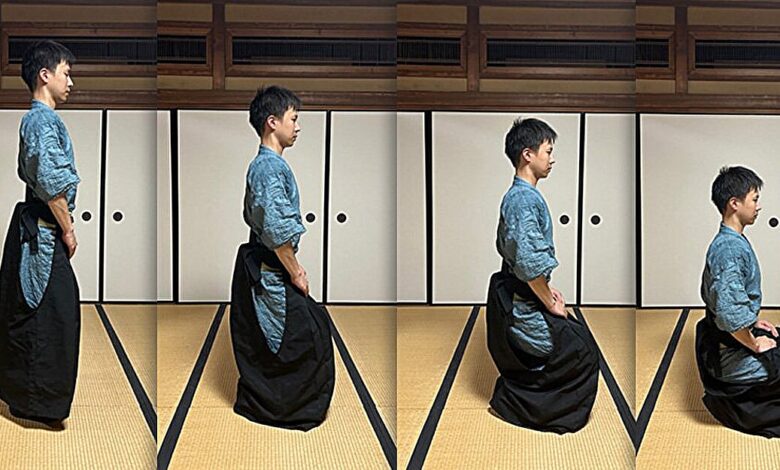
The aging process brings with it a gradual decline in muscle strength, putting individuals at a higher risk of falls, injuries, and a loss of independence. Lower body strength, in particular, is essential for everyday activities like walking and climbing stairs. While strength training can help combat muscle weakening, not everyone has the resources or motivation to engage in regular weightlifting sessions at the gym.
Researchers at Tohoku University have uncovered a simple yet effective solution that requires no equipment, only five minutes of daily practice, and has shown significant improvements in lower body strength. This innovative approach draws inspiration from the centuries-old practice of Rei-ho, a type of daily etiquette traditionally followed by samurai warriors. The study detailing these findings has been published in the Tohoku Journal of Experimental Medicine.
In Japan, traditional lifestyles have long incorporated activities that naturally strengthen the legs, such as sitting in a seiza posture on tatami mats and using squat toilets. However, with the decline of tatami mats and the rise of Western-style furniture, these opportunities for leg strengthening have diminished. One practice that has preserved these movements is Rei-ho, emphasizing deliberate and controlled motions in actions like standing, sitting, and walking.
A research team at Tohoku University, led by Professor Ryoichi Nagatomi, conducted a randomized controlled trial to assess the impact of a Rei-ho training routine. The participants in the training group engaged in a five-minute Rei-ho regimen at least four days a week for three months, focusing on controlled squats and sit-to-stand movements. The results were remarkable, with the training group showing a 25.9% increase in knee extension strength compared to just 2.5% in the control group.
Ayaka Ogasawara, the lead author of the study, highlights the significance of knee extension strength in maintaining mobility and daily function. The results suggest that incorporating Rei-ho into daily routines can help older adults retain their independence. This ancient Japanese tradition not only offers health benefits but can also be seamlessly integrated into modern lifestyles without the need for specialized equipment or lengthy workout sessions.
Lecturer Akira Sato emphasizes the value of sharing Rei-ho beyond Japan, allowing individuals worldwide to experience a unique aspect of Japanese culture while reaping its health advantages. With falls posing a significant risk to the elderly, early interventions like Rei-ho are crucial in combating age-related muscle weakening and promoting long-term independence.
The study, titled “A Traditional Japanese Samurai Movement Rei-ho as a Knee Extension Strength Training: A Randomized Controlled Study,” underscores the potential of cultural practices like Rei-ho in enhancing physical well-being. By embracing these time-honored traditions, individuals can not only improve their leg strength but also connect with a rich heritage that transcends borders.
For more information, you can access the study published in the Tohoku Journal of Experimental Medicine. This research was conducted at Tohoku University, a leading institution in Japan dedicated to advancing scientific knowledge and promoting health and well-being.